How I Launch a Voiceover Training Program on Skool
I don’t start a voiceover training program with a pile of lessons. I start with one outcome, one student type, and one weekly rhythm. Skool fits that model because the Classroom, community feed, Calendar, and points system all live in...
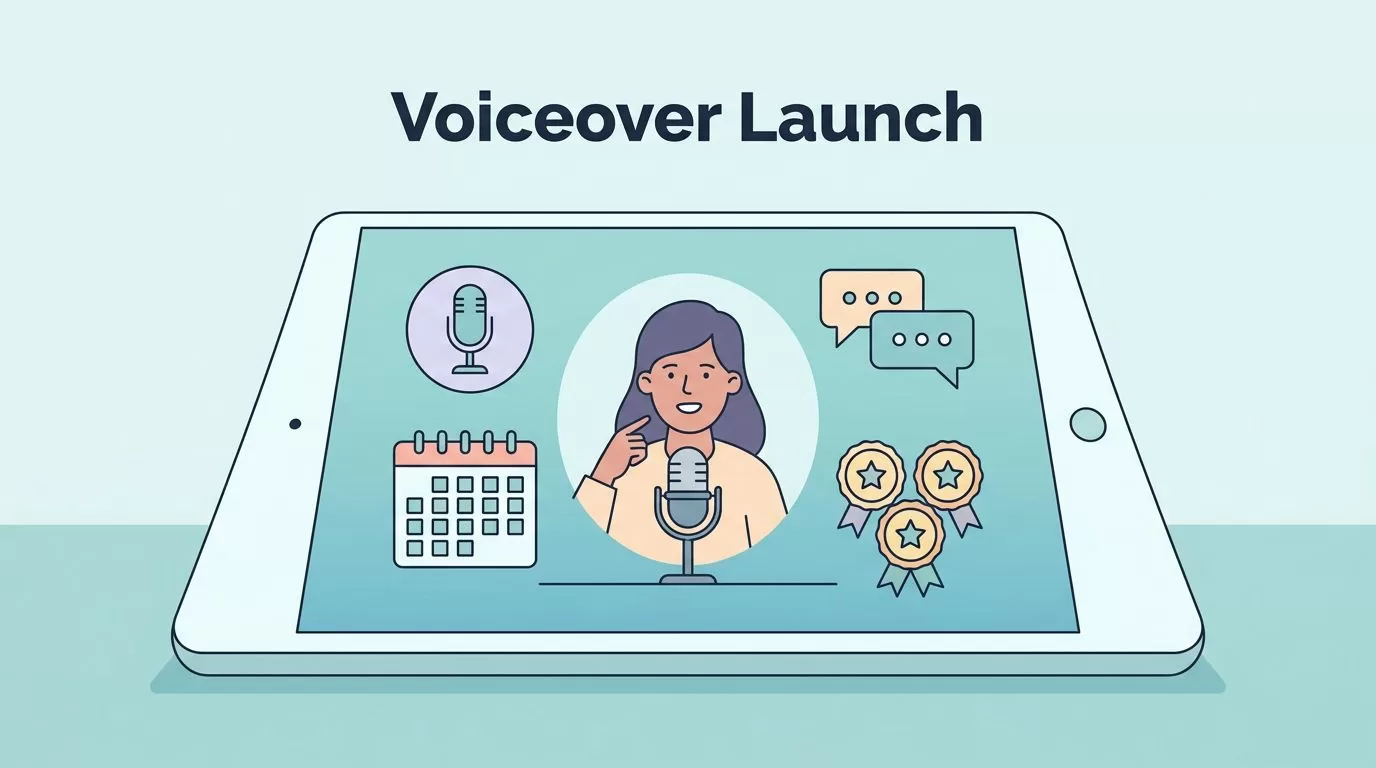
I don’t start a voiceover training program with a pile of lessons. I start with one outcome, one student type, and one weekly rhythm.
Skool fits that model because the Classroom, community feed, Calendar, and points system all live in one place. That gives me a clear path for teaching, feedback, and accountability without juggling a messy stack of tools. If the offer is built around practice instead of passive watching, people stay active. Then the program starts to feel alive.
Start with the result your students want
Before I build anything, I decide who the program is for and what they should sound like when they finish. A beginner who wants better commercial reads needs a different path than a coach who wants to record polished course intros. A podcaster who wants a cleaner narration voice also needs different practice.
If I can’t describe the before-and-after in one sentence, I don’t have a program yet.
I like to sanity-check that first idea against outside examples. Carrie Olsen’s guide to getting started in voice over is useful because it keeps the focus on fundamentals before gear shopping. I also borrow the identity-first thinking in Voice123’s guide to starting a voice over business, because the program needs a clear student identity, not just a lesson list.
When I map the offer, I think in outcomes, not features. A student doesn’t buy “eight modules.” They buy a better read, a steadier breath, cleaner pacing, and the confidence to submit work.
This is the first map I sketch before I record anything.
| Week | Lesson theme | Live touchpoint | Student output |
|---|---|---|---|
| 1 | Mic setup, breath, and room sound | Mic check call | 30-second intro read |
| 2 | Script marking and emphasis | Live critique | Short commercial read |
| 3 | Tone, pace, and character choices | Peer review thread | 60-second performance clip |
| 4 | Demo prep and next steps | Q&A session | Final sample reel plan |
That structure keeps the program practical. It also tells me what to promise. I am not selling theory. I am selling repetition with guidance.
Build the Classroom lessons inside Skool
Once the promise is clear, I build the Classroom around short, useful lessons. Skool lets me organize modules and lessons in one clean flow, and I use that structure to keep students moving. I keep each lesson tight, usually six to twelve minutes, because long recordings turn practice into procrastination.
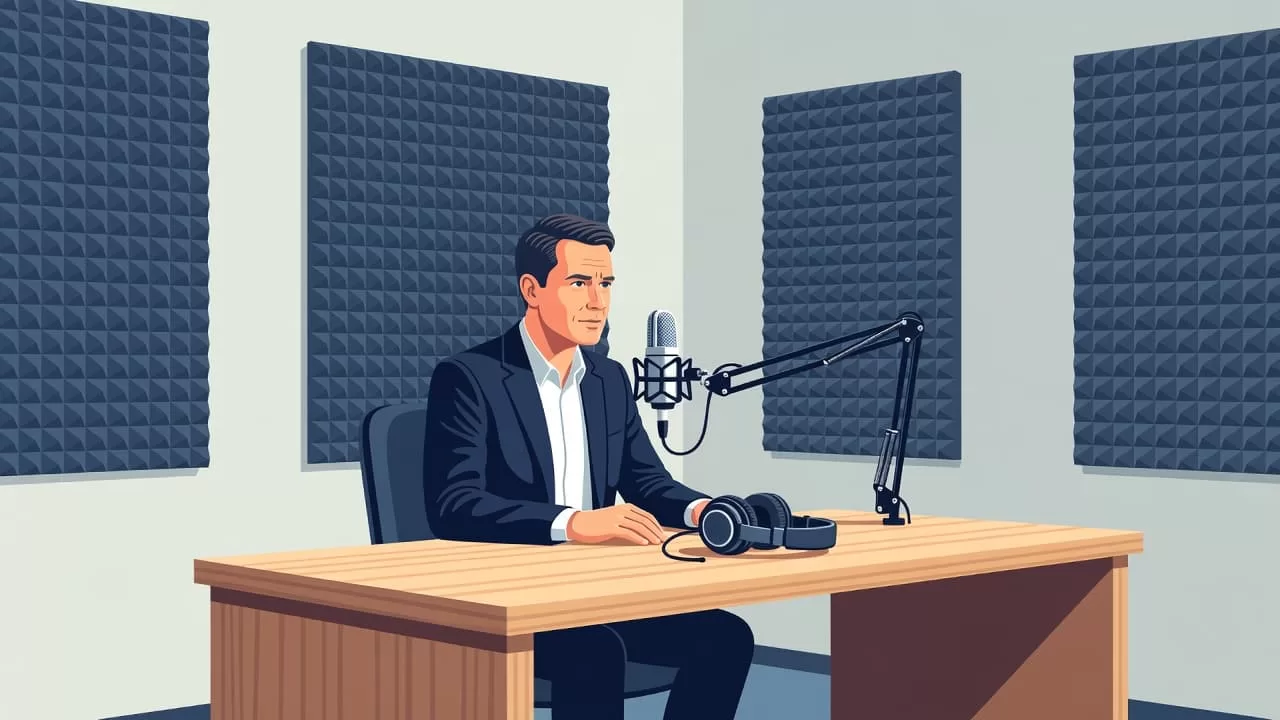
I usually build the curriculum in four parts:
- Foundation: voice warmups, breathing, room treatment, and mic distance.
- Script work: marking pauses, stressing words, and reading for meaning.
- Performance: commercial copy, narration, character work, and variation.
- Delivery: demo planning, file naming, audition habits, and next steps.
Skool’s native video hosting makes that easy, so I can keep the training inside the platform instead of sending students somewhere else. I add text lessons when I want a checklist or a sample script. I add embedded files when a student needs a read-along sheet or a reference PDF.
I also keep one thing in mind. Skool does not give me quizzes, certificates, or heavy progress tracking, so I don’t build the program around those things. I build it around practice submissions, live feedback, and visible wins. That fits voice training better anyway. Students improve by doing the work out loud.
For most groups, I make the first module the easiest one. A student should finish something on day one. That could be a 20-second intro, a warmup recording, or a quick self-assessment in the comments. Small wins make the rest of the course feel possible.
Turn the community feed into a practice room
The real value of Skool shows up after the lesson ends. The feed gives me a place to keep students practicing between sessions, and that is where the habit forms. If the classroom is the studio, the feed is the rehearsal space.
I keep the feed focused on three things: uploads, feedback, and accountability. When a member posts a read, I want the next step to be obvious. Another member can reply with one note. I can jump in with a quick correction. Then the student knows what to try next.
If feedback takes a week, people practice alone. If feedback lands the same day, they come back tomorrow.
Skool’s levels and points also help more than people expect. I use them as progress markers, not as a gimmick. A new member can start at “Warm Up.” After a few posts and replies, they unlock the next level and a more advanced lesson or live critique slot. That small structure keeps momentum visible.
I also schedule recurring events in the Calendar. A weekly live coaching call gives the group a rhythm. Because the Calendar adjusts to local time zones, I don’t have to field endless “what time is this for me?” messages. That matters once members join from different places. Skool’s mobile apps help too, because students can check prompts and calls without sitting at a desk.
To keep the room active, I reuse a few prompt types:
- Post a 30-second read and ask for one note on pacing.
- Share one line that keeps tripping you up.
- Record a before-and-after version after you apply feedback.
- Tell the group what changed in your delivery this week.
- Reply to one peer before you leave the feed.
I keep the cadence tight, the same way I would in a high-retention Skool membership site. The goal is not more chatter. The goal is more reps.
Price the offer so people can join and stay
When the curriculum is ready, I decide how the money flows. Skool gives me two main paths in 2026. If I am still testing the idea, I can start on the Hobby plan at $9 per month, which carries a 10% fee on payments. If I already know the program will scale, I move to Pro at $99 per month plus Stripe’s processing fee. That matters because the wrong plan can eat into the numbers before the program finds its audience.
I usually choose based on one question, not three. Will this be a short cohort, or will it become an ongoing training room? If it’s a short cohort, I may charge a one-time fee. If it’s a continuing practice group, I prefer a subscription. Voice training works well either way, but recurring access makes sense when students keep coming back for critiques and live calls.
I also build the offer in a way that feels clear to buy. The more complicated the checkout, the weaker the launch. Skool keeps payments inside the system through Stripe, so I don’t have to glue together a separate storefront unless I have a special case.
For packaging, I keep it simple:
- A starter cohort for beginners who want structure.
- An ongoing membership for students who want weekly feedback.
- A premium tier for private reviews or small-group coaching.
That way, the program feels like a path, not a wall.
My launch checklist for the first cohort
I do not launch with a perfect library. I launch with enough material for students to start, practice, and ask for help. Then I watch where they get stuck.
- I pick one audience and write one sentence that describes the result.
- I record the first four lessons before I invite anyone.
- I set up a welcome post, a simple intro prompt, and one first task.
- I schedule one live call each week for feedback and questions.
- I seed the feed with sample reads so the room doesn’t feel empty.
- I invite a small founding group and ask them to post within 24 hours.
- I review the first week of comments and tighten anything that feels confusing.
- I repeat the loop until the path from lesson to practice feels natural.
That launch pattern works because it keeps the program human. Students need to feel seen. They need to know what to do next. They also need enough structure to keep moving when they lose confidence.
If I want a cleaner business frame before I open the doors, I use the same identity-first thinking I would use in starting a voice over business successfully. A strong offer starts with the student’s goal, then the price, then the delivery.
Conclusion
A voiceover training program on Skool works best when every part points to practice. The Classroom teaches the skill, the feed keeps people posting, and the Calendar gives the group a rhythm they can return to each week.
When I keep the promise clear and the feedback fast, the platform does its job well. Students don’t just collect lessons. They build a habit, one read at a time.
