
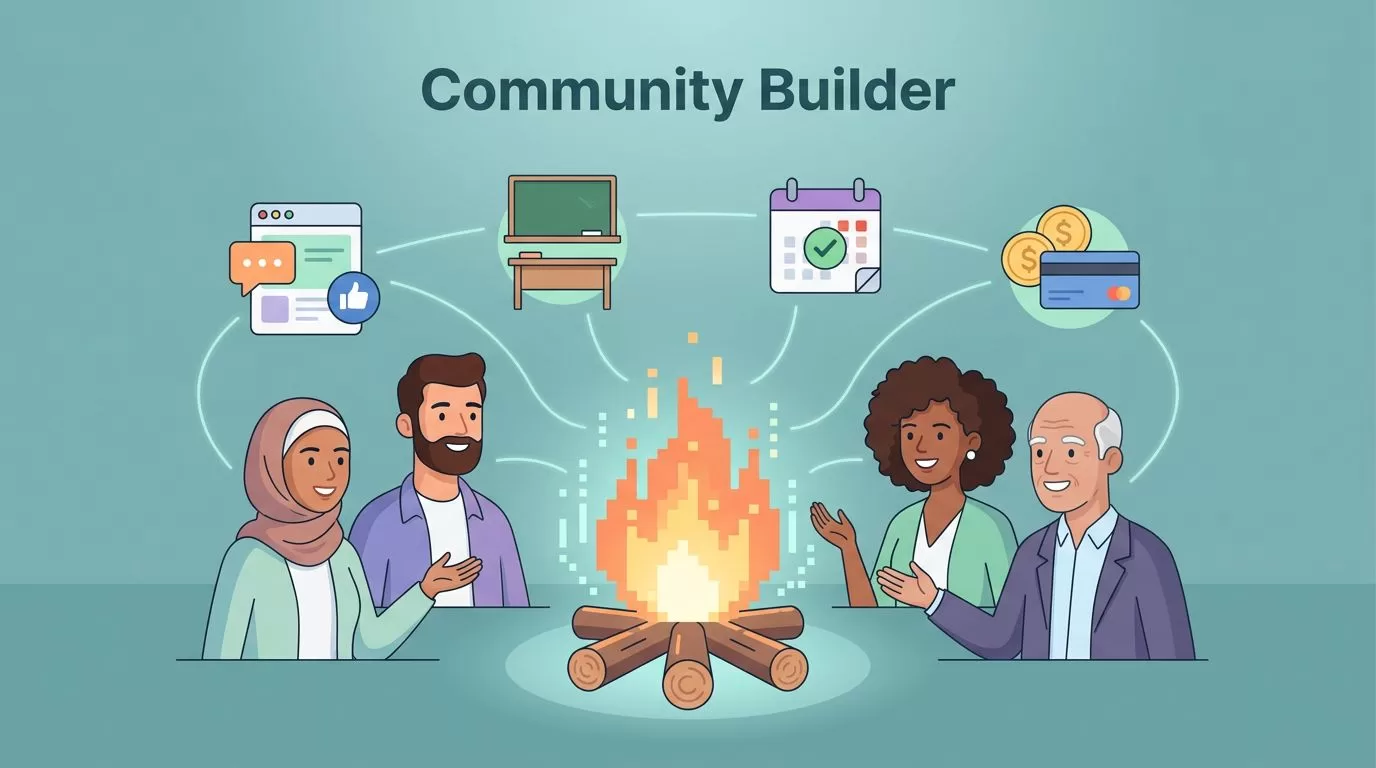


A community can feel like a campfire or an empty room. The difference is rarely the platform alone. When I build a Skool community, I don’t start with menus or colors. I start with one result people want badly enough to show up for. Once that promise is clear, Skool gives me one home for

Expansion revenue is the part of SaaS growth that tells me customers aren’t only staying, they’re buying more. New sales fill the top of the funnel, but expansion shows whether the product still earns trust after the first swipe of the card. That’s why I watch Baremetrics expansion revenue every month. It helps me see
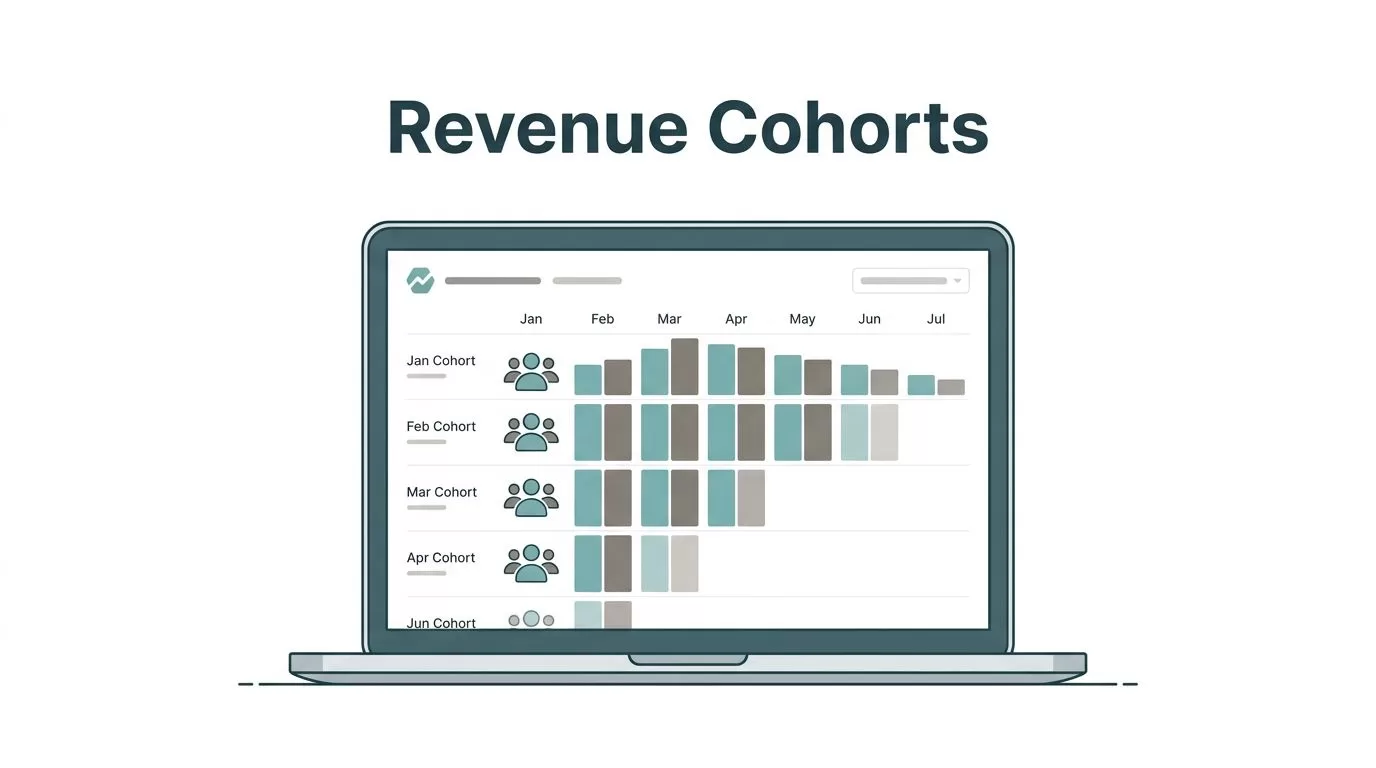
Blended MRR can look healthy while retention quietly slips. When I want the truth, I open revenue cohorts in Baremetrics. A cohort table shows me which signup groups stay, shrink, or grow over time. That matters because SaaS revenue has a memory. A strong month of new sales can hide a weak month of retention.

Refunds can make a solid sales month look thinner than it felt while I was ringing up payments. That’s why I track my Stripe refund rate every month, like checking the waterline on a boat before a small leak turns into a problem. I keep the process simple. First, I use Stripe’s Dashboard for a

Running courses in one app and community in another feels like teaching in two rooms with the wall closed. People learn in one place, ask for help somewhere else, and drift off before the lesson sticks. That’s why I keep coming back to Skool. When I want members to watch, discuss, show progress, and come

Most course platforms feel like a workbench covered in loose parts. I upload lessons in one place, host community in another, and patch billing on top. That’s why Skool stands out. If I want to sell online courses on Skool in 2026, I can keep courses, discussion, events, and payments under one roof. The trick
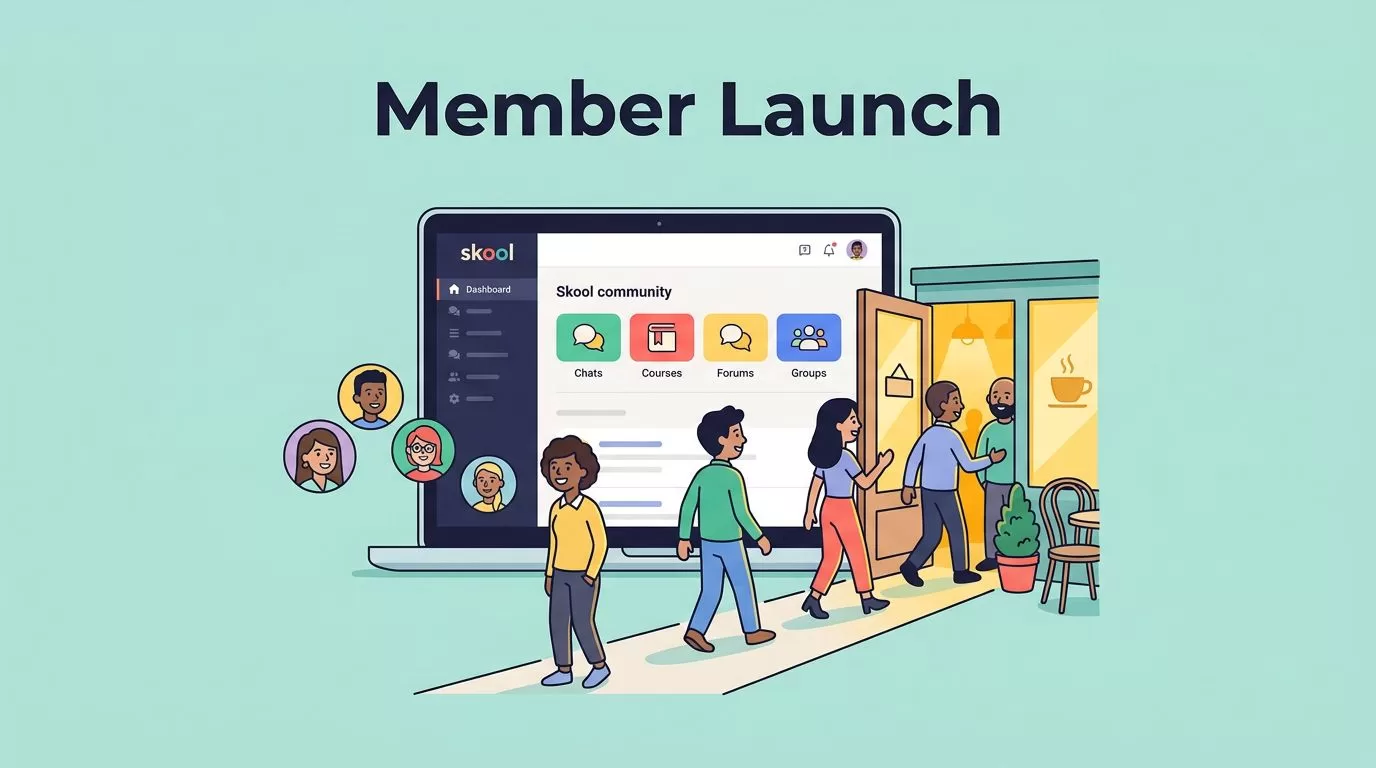
An empty community feels like opening a coffee shop and hearing only the fridge hum. Most failed launches start there, with too much setup and not enough clarity. When I build a skool membership site, I keep the promise narrow, the welcome warm, and the weekly rhythm obvious. Once those three pieces are in place,

Picking a course platform can feel like choosing between a classroom and a club. Both can work, but they shape your business in different ways. When I compare Skool and Teachable, I don’t see two near twins. I see one platform built around community, and another built around course delivery. That split matters more than
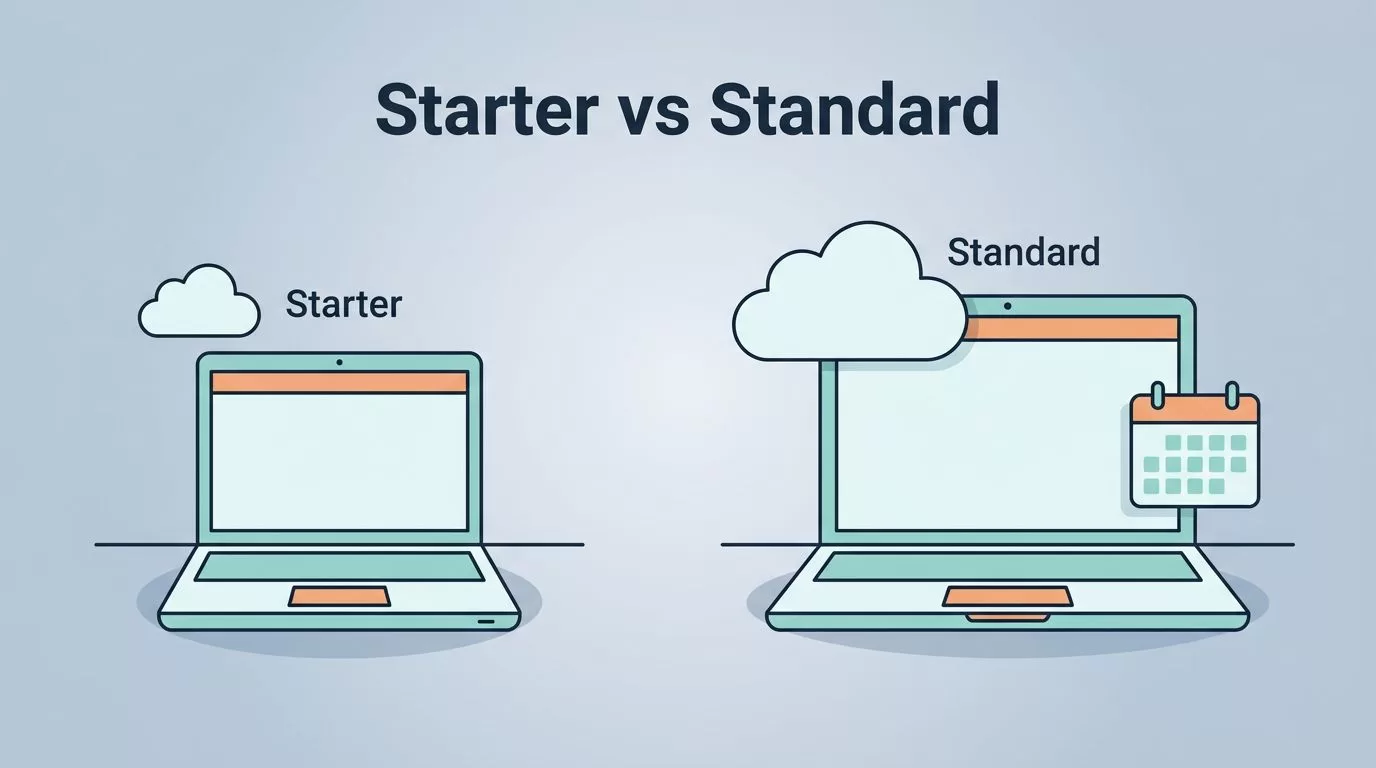
Most small teams don’t outgrow email first. They outgrow storage, meetings, and shared work, then the cheap plan starts to feel like an overstuffed backpack. If you’re comparing Google Workspace Business Standard with “Google Workspace Starter,” my short answer is simple: I’d choose Business Standard for most teams that share files often, meet with clients,

