


A failed payment rarely looks urgent. Yet in a subscription business, it can act like a slow leak in the hull. Revenue slips out first, then retention goes with it. When I run billing through Stripe, I don’t want finance or support spending hours chasing expired cards and soft declines by hand. That is why
What if some of your churn isn’t churn at all? I’ve seen SaaS teams treat failed charges like lost customers, even when the buyer still wants the product. That’s where failed payment recovery matters. Baremetrics helps automate retries, dunning emails, and card updates, so finance and ops teams can cut involuntary churn and recover MRR
A failed renewal rarely shouts. It slips out the back door and takes MRR with it. When I set up Baremetrics dunning management, I want a simple system: catch failed charges early, remind customers before access breaks, and recover revenue without turning emails into threats. Baremetrics handles this through Recover, its dunning and failed-payment recovery

When I compare google workspace vs microsoft 365 for small business email, the split is pretty clear. Google Workspace feels lighter, faster to learn, and better for browser-based teamwork. Microsoft 365 feels stronger when I need desktop apps, tighter device control, and a business that already runs on Windows and Excel. For a small business
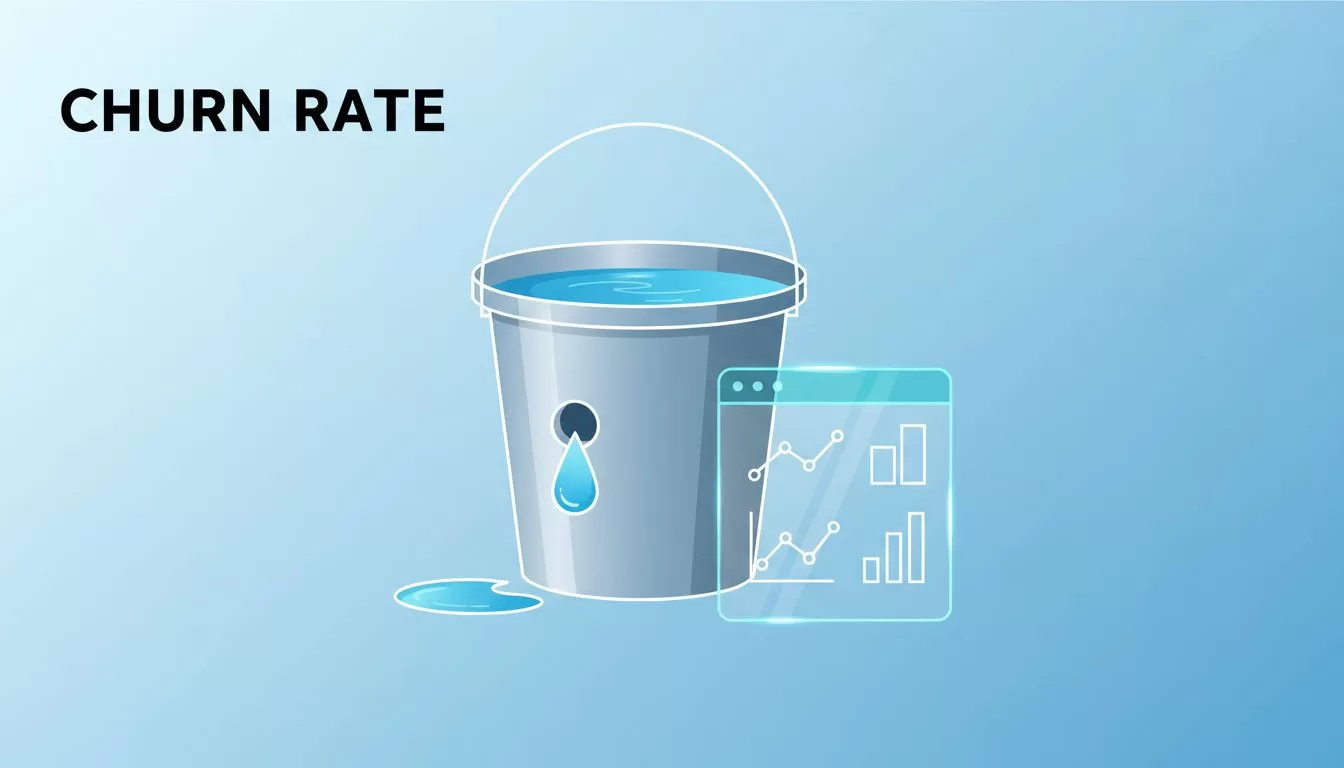
Every SaaS business has a quiet drain. Customers leave, plans shrink, cards fail, and revenue slips out like water through a small crack. That leak is churn. When I want a clear view of it, I start with saas churn rate and track it inside Baremetrics. In this guide, I break down the formulas I
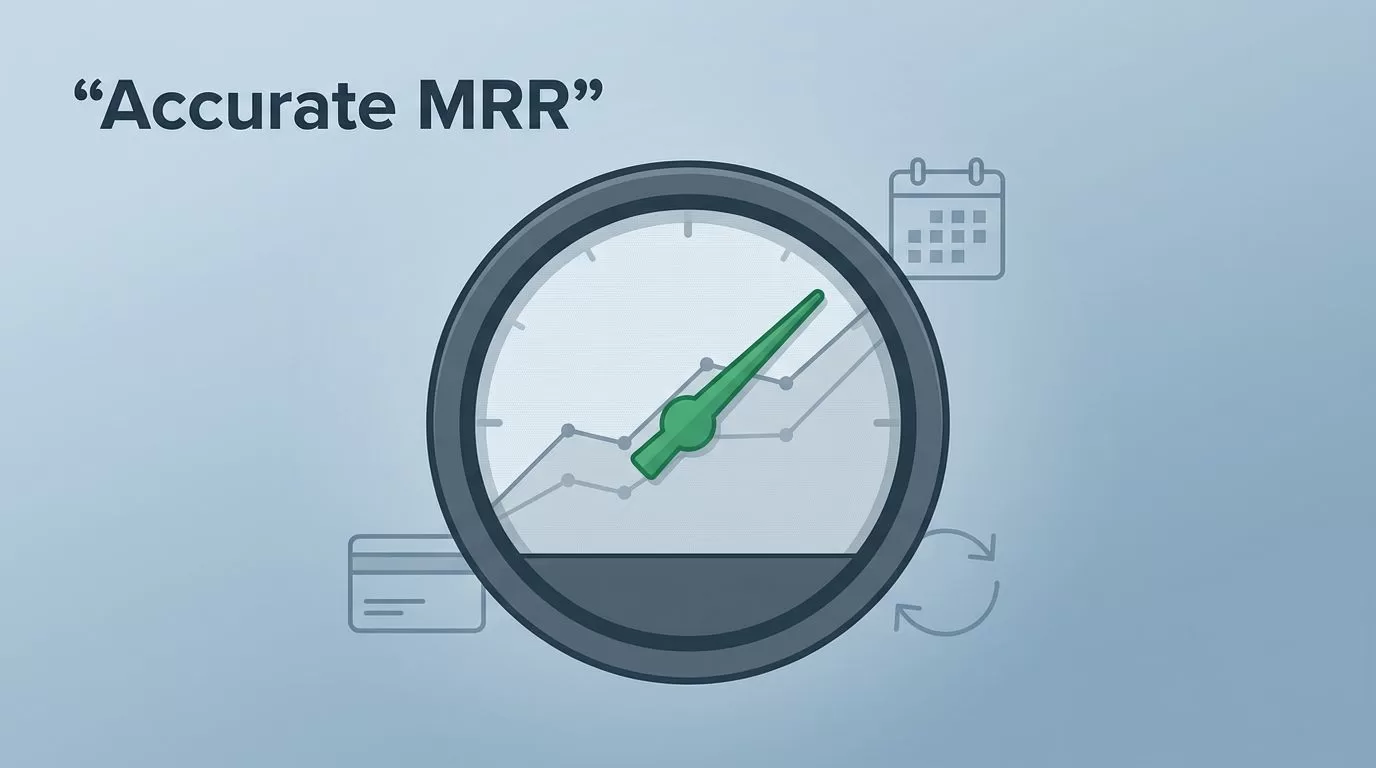
Monthly recurring revenue looks clean on a chart, until billing reality starts tugging at the line. A failed card, an annual contract, or a late refund can make a steady SaaS business look jumpy. I treat Baremetrics MRR like a flight instrument. If it drifts, I can make the wrong pricing, hiring, or retention call.
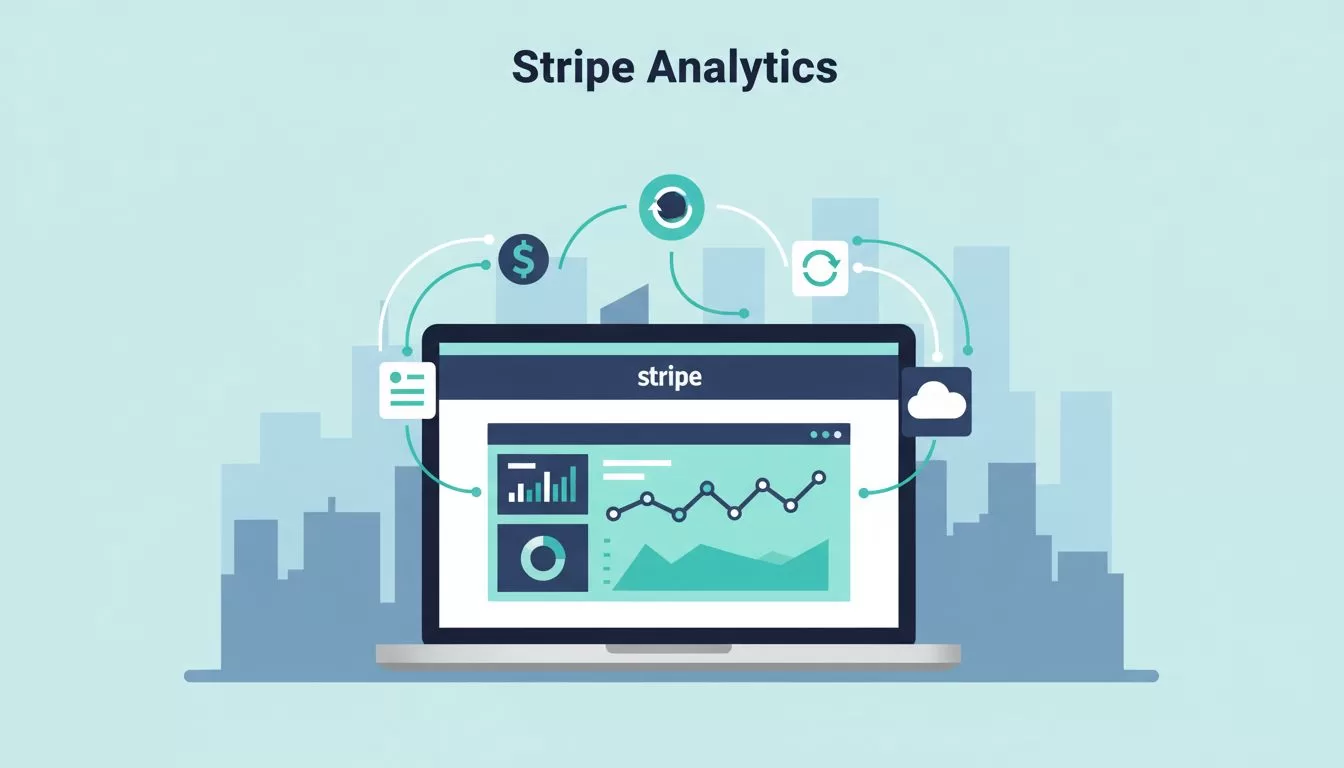
Subscription revenue can feel like watching a river at night. Money moves, churn hides, and trends surface late. When I want clear visibility from Stripe without building custom reports, I turn to Baremetrics Stripe analytics. In 2026, the setup is still simple, but the small details matter. I need the right Stripe access, a live

I treat a Baremetrics dashboard like a cockpit, not wall art. When revenue shifts, I don’t want a pretty chart alone. I want a fast read on growth, retention, and risk. Baremetrics now lets me pair live metrics with tools like Segmentation, Annotations, Benchmarks, and Forecast+. So, instead of chasing numbers across tabs, I can

A blank editorial sheet can feel like staring at a white wall. I fix that by using Exploding Topics to spot early movement, then I turn that movement into a practical content calendar. My method is simple. I find trends with real business pain behind them, score each one, and give every idea a format,

