Automate Cloud Provisioning With Twin.so
Manual infrastructure setups drain time from your engineering teams. When you need consistent environments without the repetitive configuration tasks, you need cloud provisioning automation to handle the heavy lifting. Traditional scripts a...
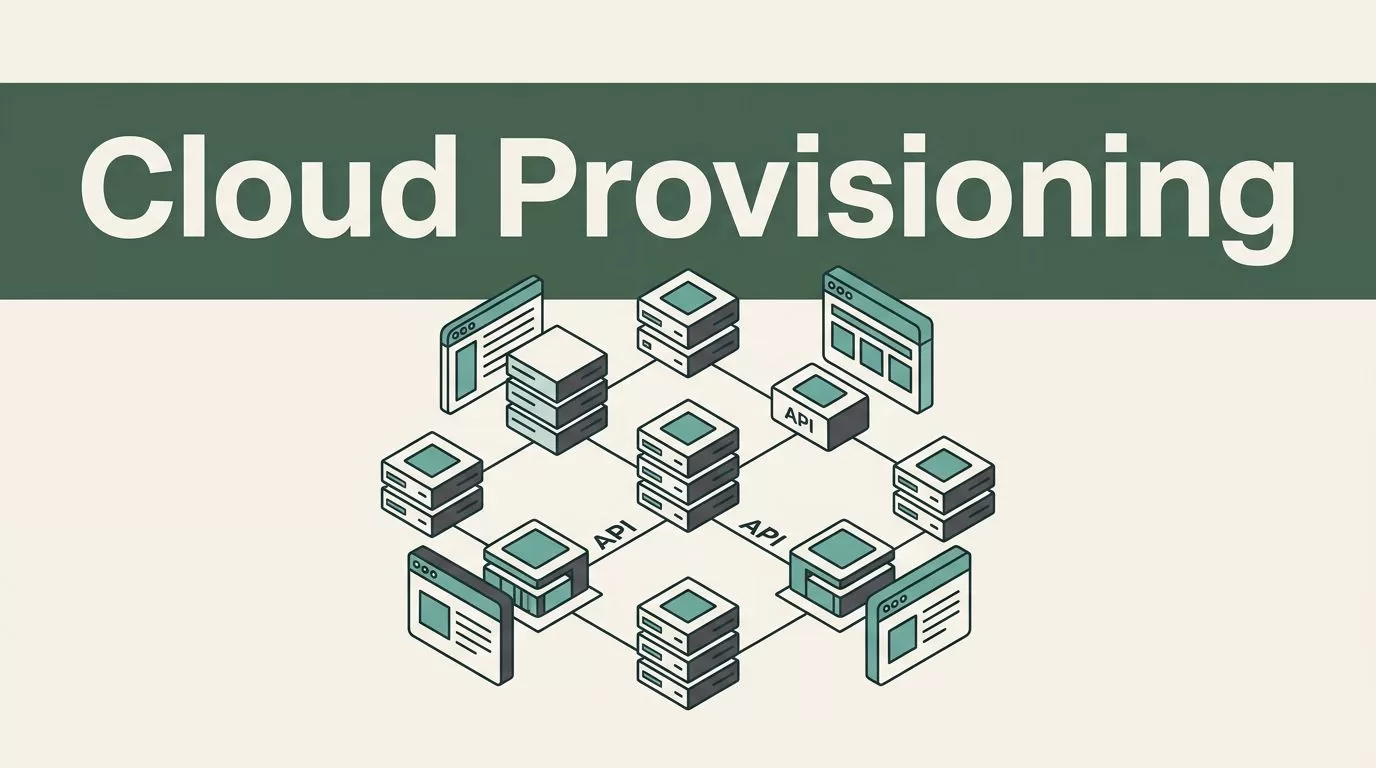
Manual infrastructure setups drain time from your engineering teams. When you need consistent environments without the repetitive configuration tasks, you need cloud provisioning automation to handle the heavy lifting.
Traditional scripts and rigid templates break when APIs change or edge cases pop up. Twin.so offers a different approach by using autonomous AI agents that operate across APIs and browsers to manage operational workflows.
Key Takeaways
- Twin.so deploys autonomous AI agents to manage operational workflows and multi-step tasks in remote cloud environments.
- Cloud provisioning automation shifts teams away from brittle shell scripts toward intelligent execution models that handle API changes.
- The platform uses a multi-agent architecture with an orchestrator, builder, and runner to execute tasks on schedule.
- Browser automation fallbacks allow agents to interact with legacy systems and vendor portals that lack clean APIs.
How Autonomous AI Agents Change Infrastructure Operations
Infrastructure teams spend hours writing custom scripts just to bridge the gap between disparate SaaS tools and cloud providers. Traditional automation requires brittle API connectors that break the moment a vendor updates an endpoint. When a pipeline fails, an engineer has to step in, debug the payload, and rerun the job manually.
Autonomous agents solve this bottleneck by adapting to changing UI elements and API structures on the fly. Twin.so operates as a cloud-native platform where you describe an outcome in plain language rather than writing step-by-step logic. The system builds and runs workflows inside isolated execution environments that keep working even when your local machine is shut down.

This approach transforms how teams handle back-office handoffs and recurring provisioning requests. Instead of maintaining custom middleware, your engineers focus on high-value architecture while the agent layer handles routine executions.
Core Architecture of the Twin.so Platform
Understanding how the platform executes tasks helps you design reliable workflows. Twin.so relies on a multi-agent structure that separates planning from execution.
The system features three distinct operational components working in tandem:
- Orchestrator: The workspace command center that interprets your plain-language prompts and coordinates multi-agent jobs.
- Builder: The intelligence layer that generates workflows, writes connectors, and adapts code when integrations fail.
- Runner: The isolated execution environment that runs tasks on cron schedules or webhook triggers at a lower operational cost.
The platform also includes a secure credential vault that stores login tokens and API keys safely. This separation of duties lets you run complex sequences without exposing sensitive secrets across local developer environments. You define the triggers, and the cloud infrastructure executes the instructions reliably.
Bridging APIs and Legacy Systems
Most infrastructure environments contain a mix of modern REST endpoints and legacy web portals that have zero API support. Traditional automation tools stall out the moment they encounter a system without a developer portal.
Twin.so bridges this gap by combining API calls with native browser automation. If an internal tool or vendor dashboard lacks an API, the agent uses an embedded browser to click buttons, fill forms, and extract data just like a human operator.
| Integration Type | Primary Mechanism | Best Used For |
|---|---|---|
| API Connectors | REST endpoints, Webhooks | Modern SaaS apps, billing tools, data warehouses |
| Browser Agents | UI clicking, DOM scraping | Legacy ERPs, vendor portals, internal admin panels |
| Event Triggers | Cron, REST, Email | Scheduled audits, incident response, data syncs |
This hybrid capability proves useful when provisioning workflows require sign-offs across multiple vendor platforms. You don’t have to wait for vendors to ship new APIs before you can automate repetitive provisioning requests.
Implementing Cloud Provisioning Automation in Your Workflow
Adopting agentic automation requires a deliberate migration path. Start by identifying repetitive operational tasks that currently require human intervention across multiple browser tabs and terminal windows.
| Phase | Operational Focus | Action Item |
|---|---|---|
| Phase One | Audit repetitive workflows | List manual handoffs between cloud tools and spreadsheets. |
| Phase Two | Define outcome prompts | Write clear plain-language instructions for the orchestrator. |
| Phase Three | Test hybrid triggers | Connect APIs for modern services and deploy browser agents for legacy portals. |
When you build your first workflow, test it with cron schedules or webhook triggers before exposing it to production environments. Monitoring early execution logs helps you catch edge cases where an agent might misinterpret an ambiguous input.
For a deeper look at how autonomous task runners handle complex operational state, review the technical documentation on Twin.so documentation.
Conclusion
Manual infrastructure handoffs slow down delivery cycles and introduce human error into routine setups. Shifting toward autonomous workflow tools lets your team scale operations without expanding headcount.
Focus your initial automation efforts on the repetitive tasks that drain your engineering hours every week. Set up your first workflow today and let cloud-native agents handle the operational overhead.
