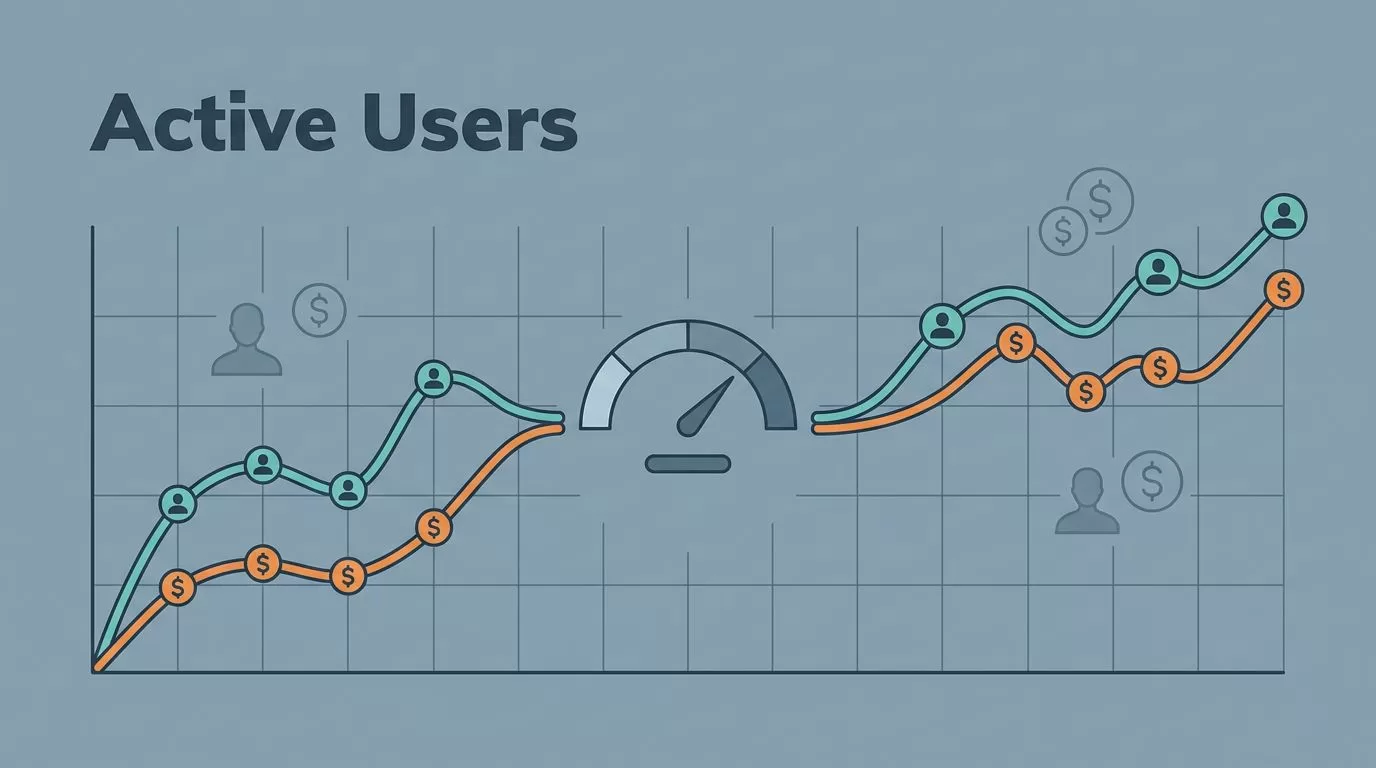

Revenue can rise while the product quietly loses pull. I pay attention to that gap because it tells me whether customers are buying once or building a habit. When I track Baremetrics active users beside MRR, I get a cleaner read on retention, expansion, and product adoption. A chart that mixes both signals feels less

I do not move Microsoft 365 to Google Workspace with a single switch. I keep both systems alive, copy data in batches, and cut over only after the final sync is done. That is how I avoid broken mail flow, missed calendar invites, and users who cannot find their files. A good Microsoft 365 to
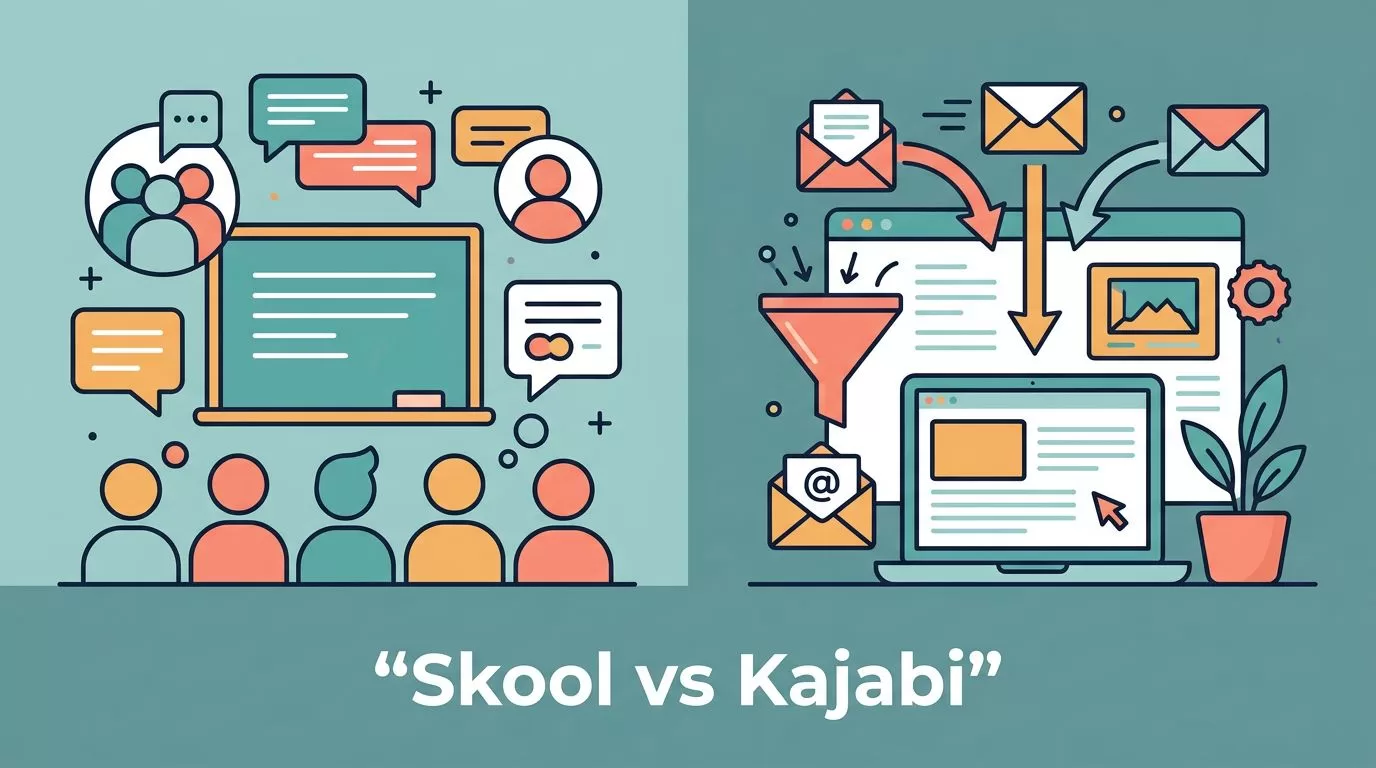
Skool vs Kajabi in 2026 is a choice between a tight community engine and a broader course business system. I would pick Skool when I want people talking, showing up, and staying active. I would pick Kajabi when I want stronger marketing, more course structure, and more control over the full customer path. If your

When I compare workspace groups vs shared inbox setups in 2026, I start with one question, does the address need to spread information, or does it need to manage replies? That answer tells me more than any product label. If I need one name, one membership list, and one place to control access, I lean
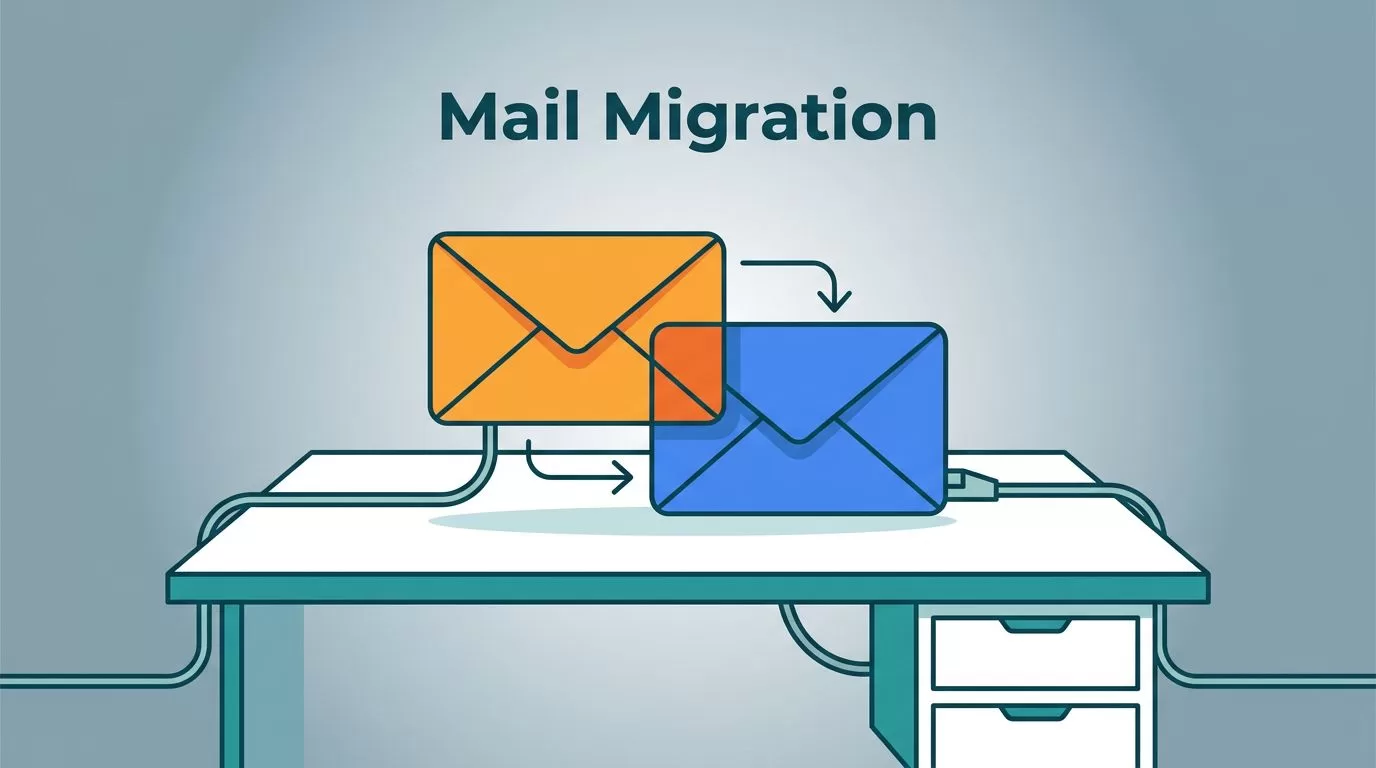
Switching mail systems feels tense because email never sleeps. When I handle a Zoho to Google Workspace move, I treat the mailbox like a live pipeline, not a file folder. The order matters. If I copy data first, map users second, and change DNS last, the cutover stays calm. If I rush the MX change,
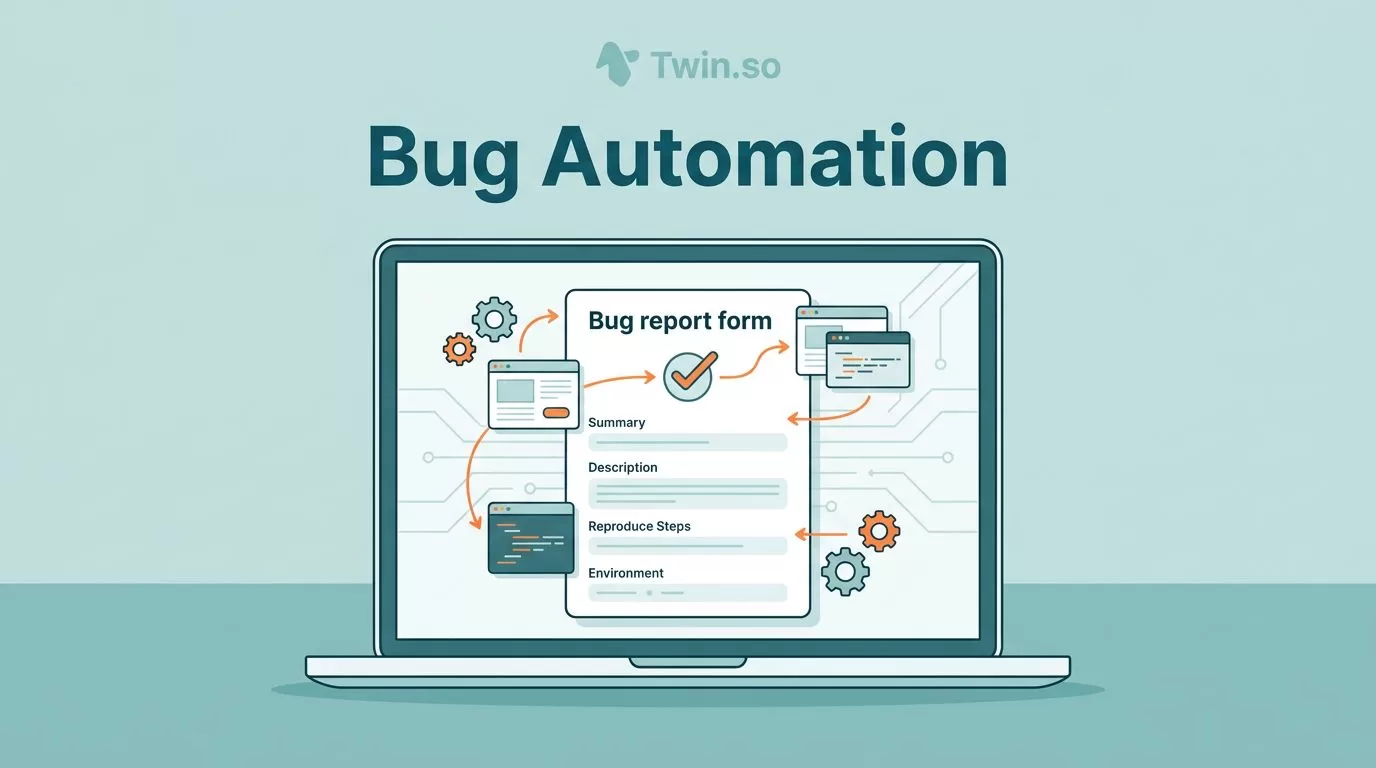
I don’t want my team spending half a day copying screenshots, pasting logs, and asking the same follow-up questions. When a bug report lands in pieces, everyone pays for it later. That is why bug reporting automation matters. It cuts the busywork around intake, routing, ticket creation, and status updates, so support, QA, and product
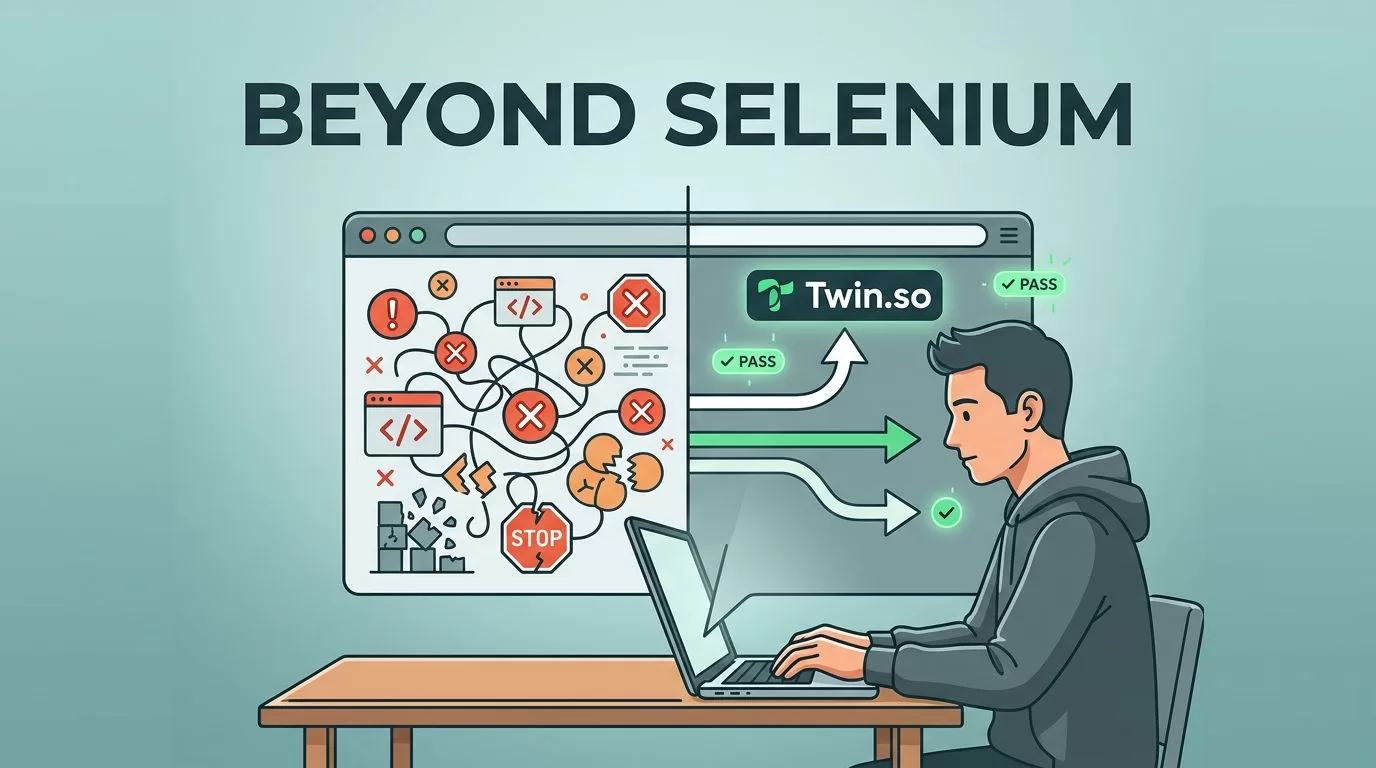
A test suite can look calm on Monday and turn into a pile of red builds by Friday. When that happens, the problem is often not the product. It’s the automation layer. I still respect Selenium, but I don’t treat it as the default answer anymore. If my team spends more time fixing locators, waits,

I use Twin.so when I want repetitive server admin work handled without losing control of the process. It can check logs, watch services, collect disk data, and send alerts, as long as I keep the workflow narrow and the permissions tight. That matters because server administration has two very different kinds of work. Some jobs
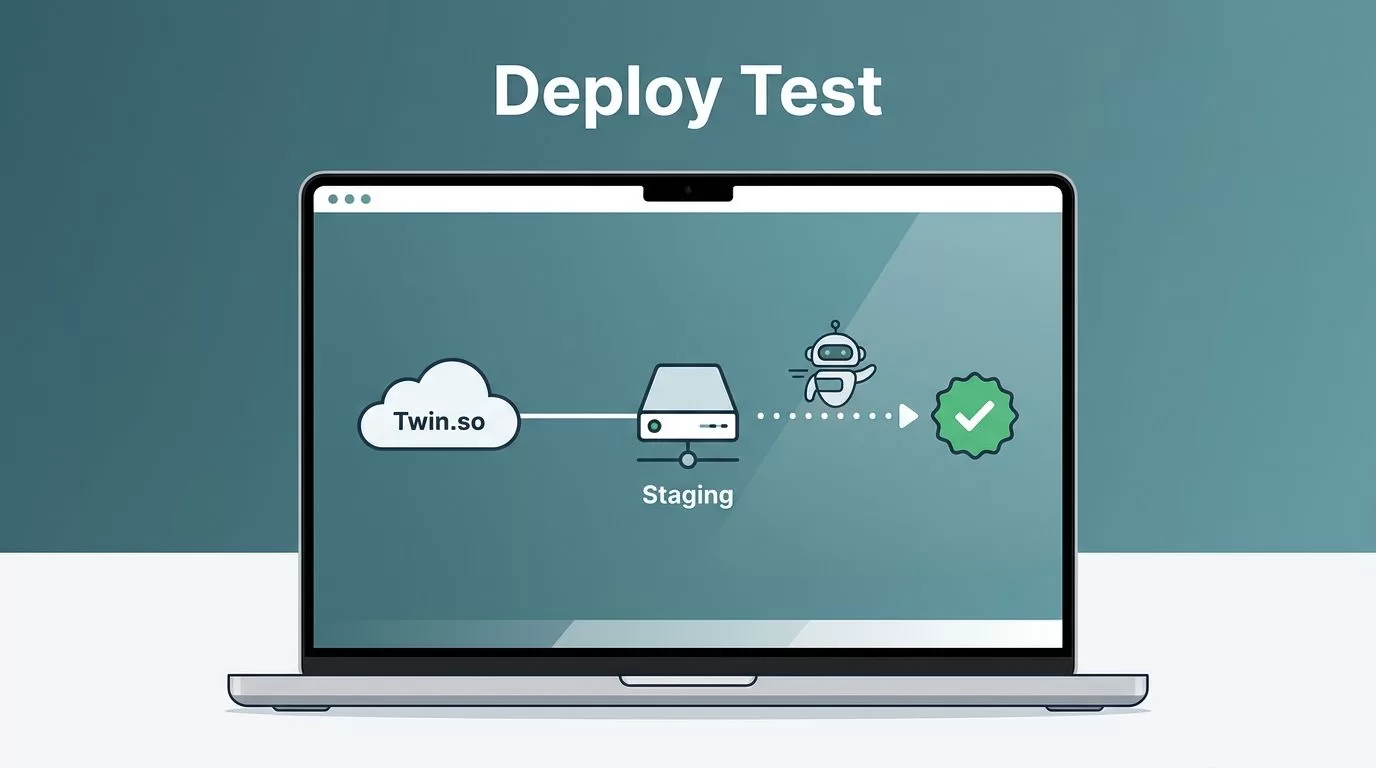
An end-to-end test that stays on my laptop does not protect a release. I want the same flow running in staging, with the same login, the same page path, and the same final check. Twin.so gives me a way to turn that path into an agent. I write the goal in plain language, connect the
