How I Automate PR Outreach With Twin.so
PR outreach eats time in small, expensive bites. One moment I’m researching a journalist, the next I’m checking a byline, and then I’m rewriting the same pitch for a new angle. Twin.so helps me move that work into a system...
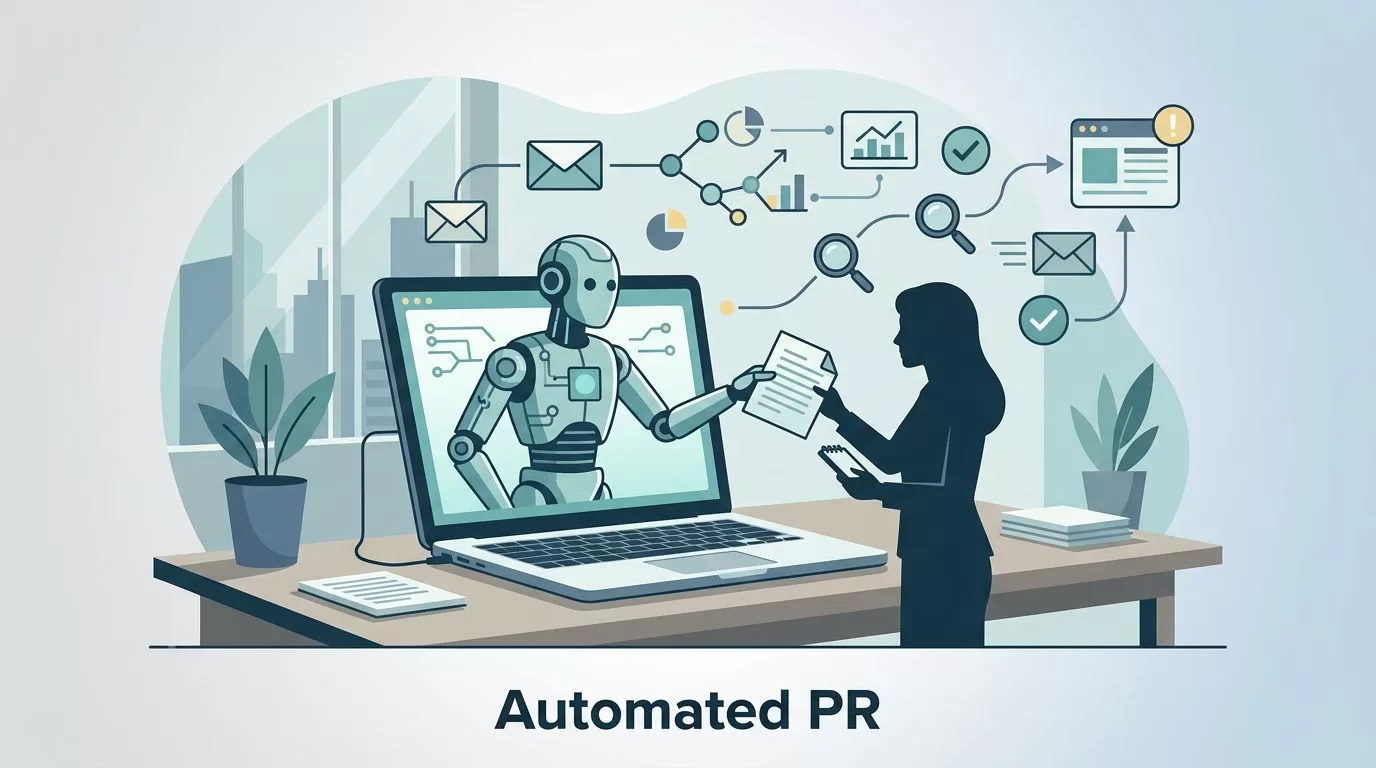
PR outreach eats time in small, expensive bites. One moment I’m researching a journalist, the next I’m checking a byline, and then I’m rewriting the same pitch for a new angle.
Twin.so helps me move that work into a system. I can describe the target, the channel, and the outcome I want, then let the agent handle the repetitive steps that usually slow a campaign down.
In 2026, AI-assisted outreach is expected. What still matters is judgment, relevance, and clean data. I use automation for speed, then I step in where context matters most.
Where PR outreach slows down
Manual PR outreach breaks in the same places every time. I need the right contact, a fresh reason to email them, and a follow-up plan that doesn’t feel pushy. If I do each of those by hand, the campaign starts to look like a pile of sticky notes on a wet desk.
Twin.so changes that rhythm. Instead of opening six tabs and copying notes between them, I give it a goal in plain English. I can ask for journalists who cover B2B software, creators who talk about automation, or editors who recently wrote about AI and operations. Then I let it gather the first draft of the list and the research behind it.
That matters because PR outreach is a fit problem before it’s a volume problem. If the angle is off, more messages only create more noise. If the list is clean, a small campaign can outperform a large one that ignores context.
I still review every target myself. Automation gives me a head start, not a free pass. The best use of Twin.so is to remove drag, not to remove judgment.
I also like that PR outreach rarely lives on one channel anymore. Some people answer email. Others respond on LinkedIn because that’s where they spend their day. In a few cases, SMS or WhatsApp makes sense, but only when the relationship and region support it.
Building prospect lists without manual scraping
When I build a prospect list with Twin.so, I start with constraints, not names. I tell it the beat, the region, the company type, and the kind of recent coverage I want. For example, I might ask for reporters who have covered software launches in the last 90 days, then filter for outlets that match my story.
Because Twin.so can connect to apps and websites, I don’t have to treat it like a simple chat box. It can keep working through steps, pull data, and adapt when a page changes. That helps when a campaign needs research across several sources, not just one directory.

After the first pass, I sort prospects by fit. I look for topic match, recent activity, and a believable reason to reach out now. I also check contact quality before I send anything. When an address looks shaky, I run it through how to verify emails for outreach. That one step saves me from sending a polished pitch to a dead inbox.
I don’t want speed that breaks deliverability. I want a list I can trust on the first send.
Writing pitches that sound like me
Once I have the list, I move to the pitch. This is where a lot of automation goes wrong. It writes a message that sounds smooth and empty. I want the opposite. I want a note that feels like I paid attention.
So I feed Twin.so the facts I care about: a recent byline, a product launch, a quote, or a topic they keep returning to. Then I ask it for a short draft, not a long one. One sentence for the connection, one sentence for the angle, and one clear next step is enough.
I also separate channels. Email can carry a little more context. LinkedIn needs a tighter opener. SMS and WhatsApp only make sense when the contact path is right and the message is welcome. Twin.so can help me prepare versions for each channel, but I still decide whether the tone fits the person.
In 2026, AI-assisted outreach is normal, but generic outreach still gets ignored. I keep the machine on the first draft and the human on the final pass. For a broader look at how teams are grouping outreach software this year, I use email outreach tools in 2026. It helps me see where Twin.so fits alongside senders and deliverability tools.
The best pitches still sound like they came from a person who did the reading. I use the tool to shorten the work, not the thinking.
Follow-ups that stay useful
Follow-ups are where campaigns either stay useful or turn annoying. I use Twin.so to handle the reminders and message timing, but I set the rules first. If someone replies, the sequence stops. If they say not now, I pause and tag them. If they opt out, I remove them. That sounds obvious, yet it saves me from a lot of bad behavior.
I also keep the follow-up copy light. The second note should add a new detail. The third, if I send one, should feel like a polite exit, not a chase scene. That matters in PR, because reputation travels faster than your campaign dashboard.
Automation magnifies good judgment, and it also magnifies bad lists.
That sentence guides most of my setup. If my targeting is poor, the follow-up layer only repeats the mistake. If the list is right, a measured sequence gives the story a fair chance.
I also watch inbox health. If my bounce rate rises, I don’t blame the tool first. I check the list, the verification step, and the sending path. When I want a refresher on that part of the stack, I read improving outbound email deliverability. It keeps me honest about the cost of bad data.

A follow-up sequence should feel like a careful nudge, not a drumbeat.
My Twin.so workflow for 2026
My 2026 Twin.so workflow stays simple. I use five steps, and I keep a human approval point before anything goes out.
- I define the pitch angle and the audience. I decide what story I can honestly tell before I touch the list.
- I ask Twin.so to find prospects and gather research. That gives me names, context, and a first pass on contact paths.
- I clean the list and verify addresses. If I need a deeper handoff with other tools, I think about Hunter.io integrations for B2B sales so the data moves cleanly into my stack.
- I draft channel-specific messages. I keep the wording short, tie each note to one real detail, and remove anything that sounds recycled.
- I launch the sequence, then watch replies and edge cases. If a contact replies by another channel, I update the record so the next step doesn’t hit them twice.
This setup keeps me moving without turning the campaign into a blur. I get the speed of automation, but I keep control over the parts that affect trust.
Conclusion
Twin.so lets me automate PR outreach without turning it into a spray-and-pray machine. I still choose the target, the angle, and the tone, but I don’t waste hours on copy-paste research or manual follow-up.
That balance is the whole point. In 2026, the best outreach systems use AI for the busywork and humans for the judgment that gives a pitch its edge. When I keep those two jobs separate, the campaign feels sharper, cleaner, and easier to run.
