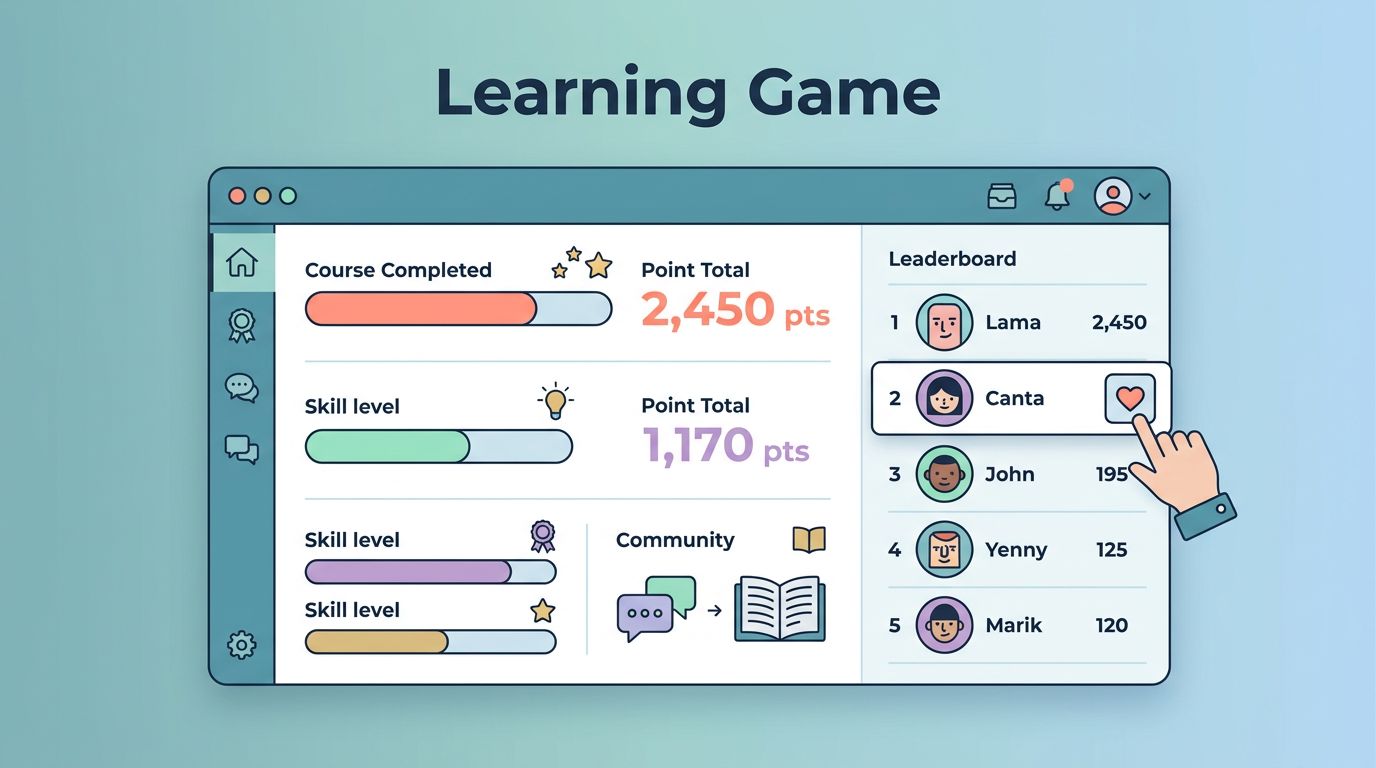

Most online courses lose learners because momentum fades after the first few days, not because the lessons are weak. To gamify online learning in Skool, start with one goal: make progress visible, useful, and social. Skool ships with points, levels, and a leaderboard, so you can add a game layer without extra software. This guide

Most paid communities do not fail because the software is weak. They fail because the promise is vague, the member fit is poor, or the host sells access without a clear experience. When I build a paid mastermind on Skool, I treat it as a small working room, not a noisy group chat. The best
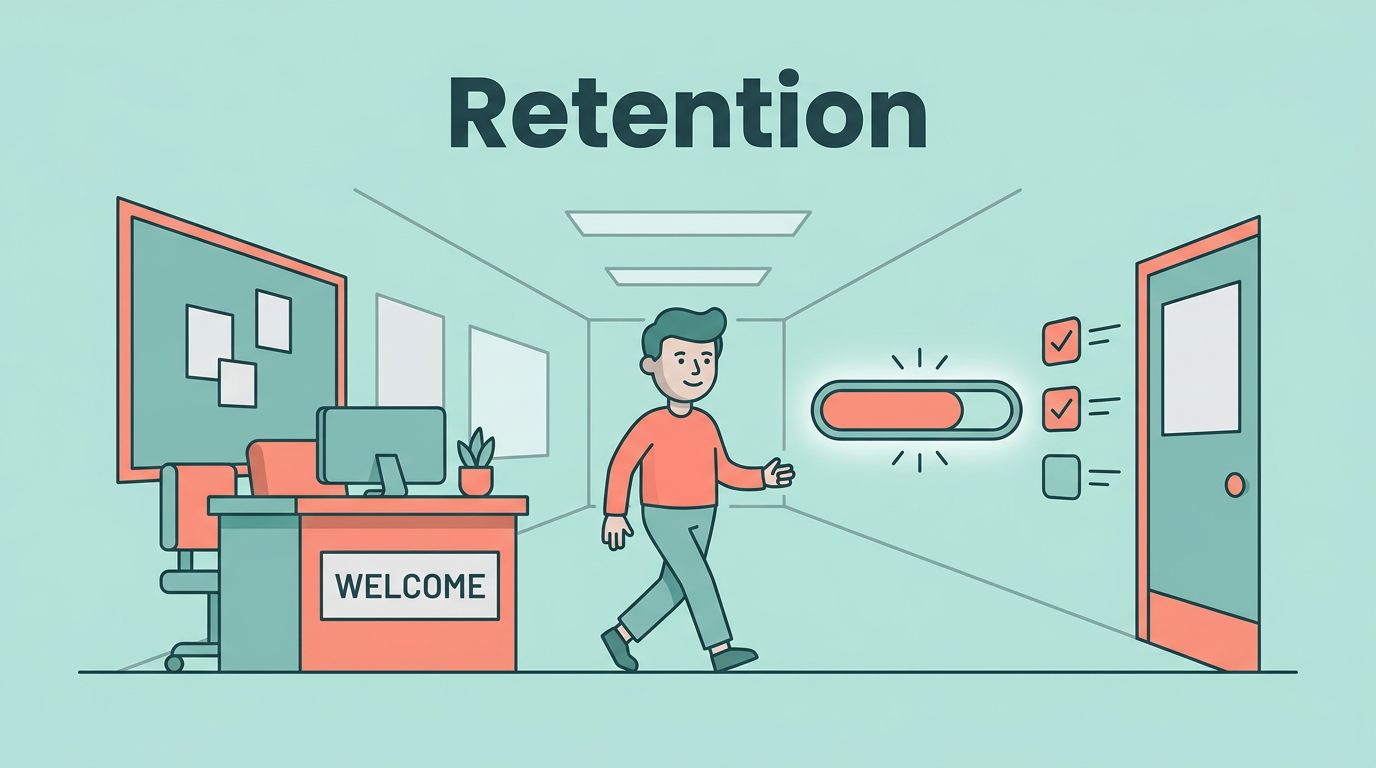
Most members do not quit with a dramatic exit. They miss one lesson, ignore one reminder, and drift out the side door. Student retention in Skool improves when you treat the member journey as a guided path with a clear next step at every stage. This guide covers the full journey: the first 48 hours,
The Skool vs Facebook Groups choice comes down to reach versus focus. Facebook Groups gives you an audience already on the platform. Skool gives you a dedicated space built for courses, paid access, and member progress. This guide compares both so you can decide when a switch makes sense. Facebook Groups costs nothing to start.
A Circle alternative deserves a look when the monthly bill, the setup work, or the admin load grows faster than the community. Skool is the name buyers raise most often in this search. This guide compares Skool and Circle on price, fees, features, and fit so you can decide with real numbers. Both platforms host
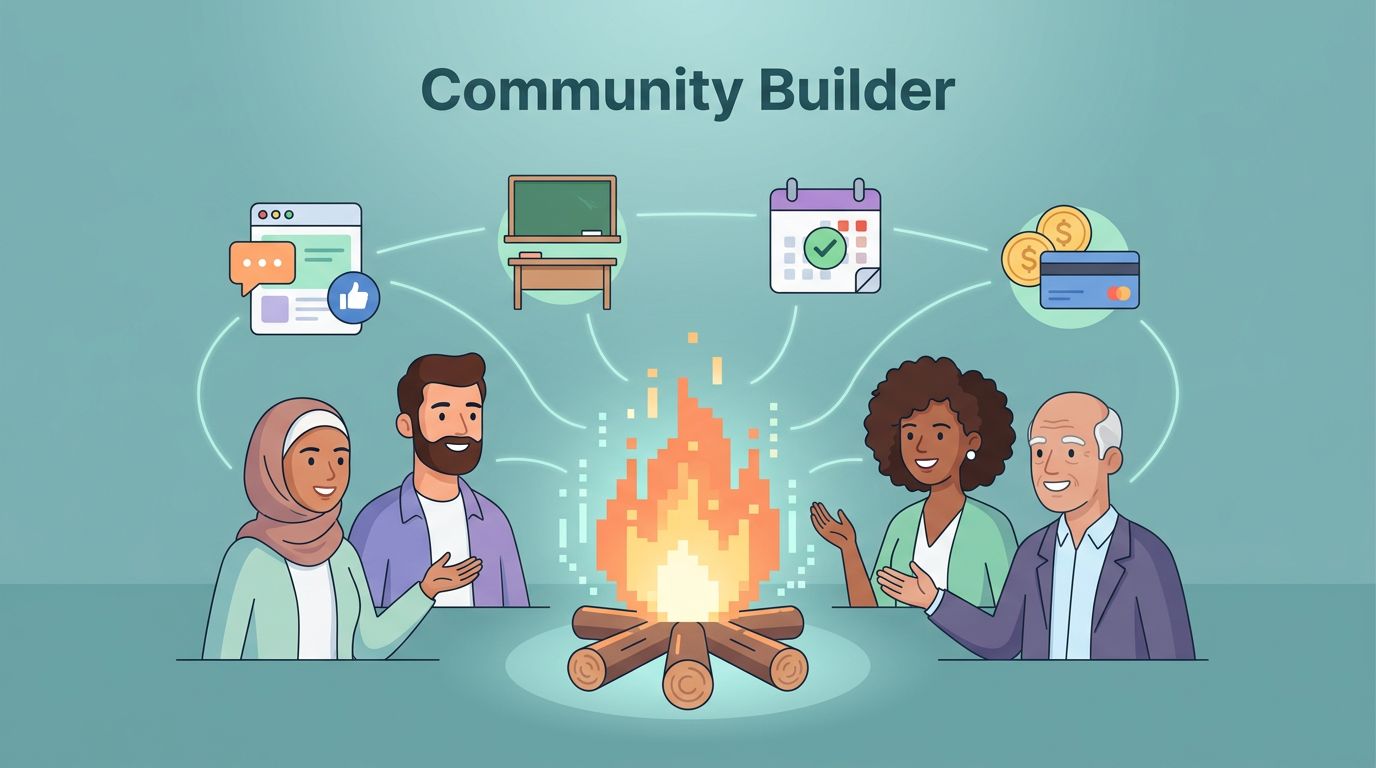
A community can feel like a campfire or an empty room. The platform alone rarely explains the difference. A Skool community lasts when a clear result, a short onboarding path, and a steady rhythm come before any menu or color choice. This guide follows a launch sequence. You will define the promise, set up the
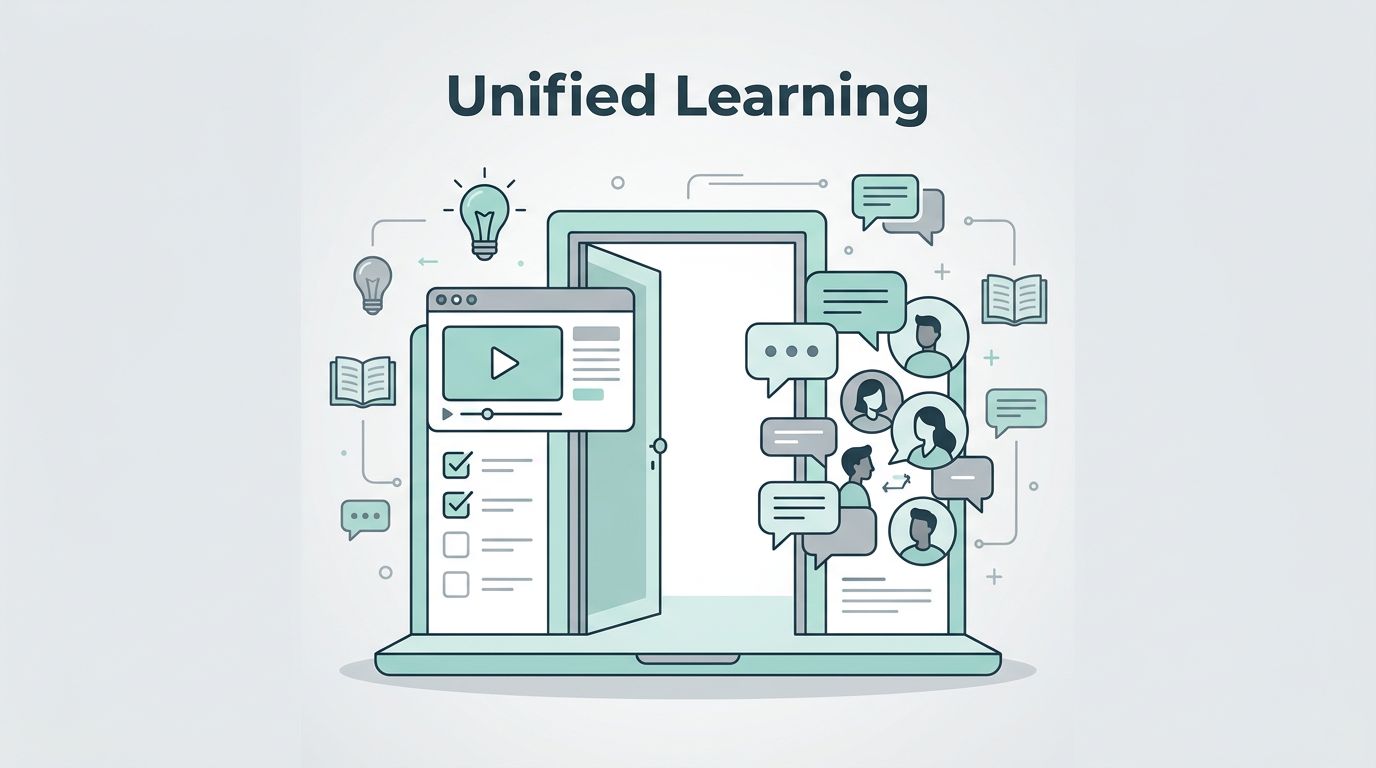
Running courses in one app and a community in another splits your members attention. People watch a lesson in one tab, ask a question in a second tab, and often never return. A Skool course community keeps lessons, discussion, events, and payments in one space, so members move from learning to talking without leaving the

Most course platforms feel like a workbench covered in loose parts. Lessons live in one tool, discussion in another, and billing is patched on top. Skool aims to keep courses, discussion, and live calls in one place. This guide shows how to sell online courses on Skool: choose the offer, structure the classroom, set the
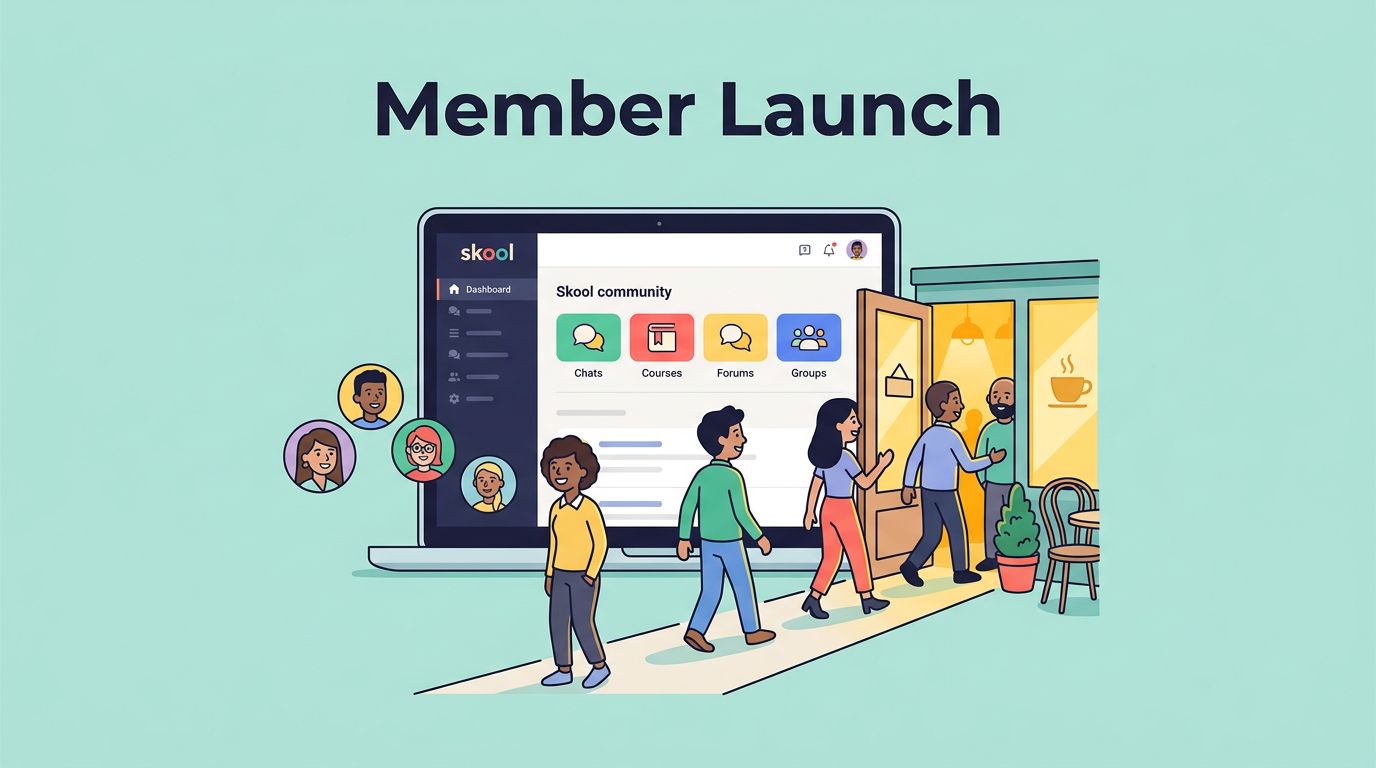
Review this guide each quarter. Pricing, trial terms, and platform features change, so recheck the official page and adjust your plan choice when monthly sales move. An empty community feels like a coffee shop where only the fridge hums. Most failed launches start there, with too much setup and too little clarity. A Skool membership
