How I Spot Hiring Signals With Exploding Topics
A company usually starts hiring before the outside world notices. The clue is often hidden in search growth, product chatter, and a few quiet job posts. That’s why I use Exploding Topics. It tracks rising searches and topic momentum e...

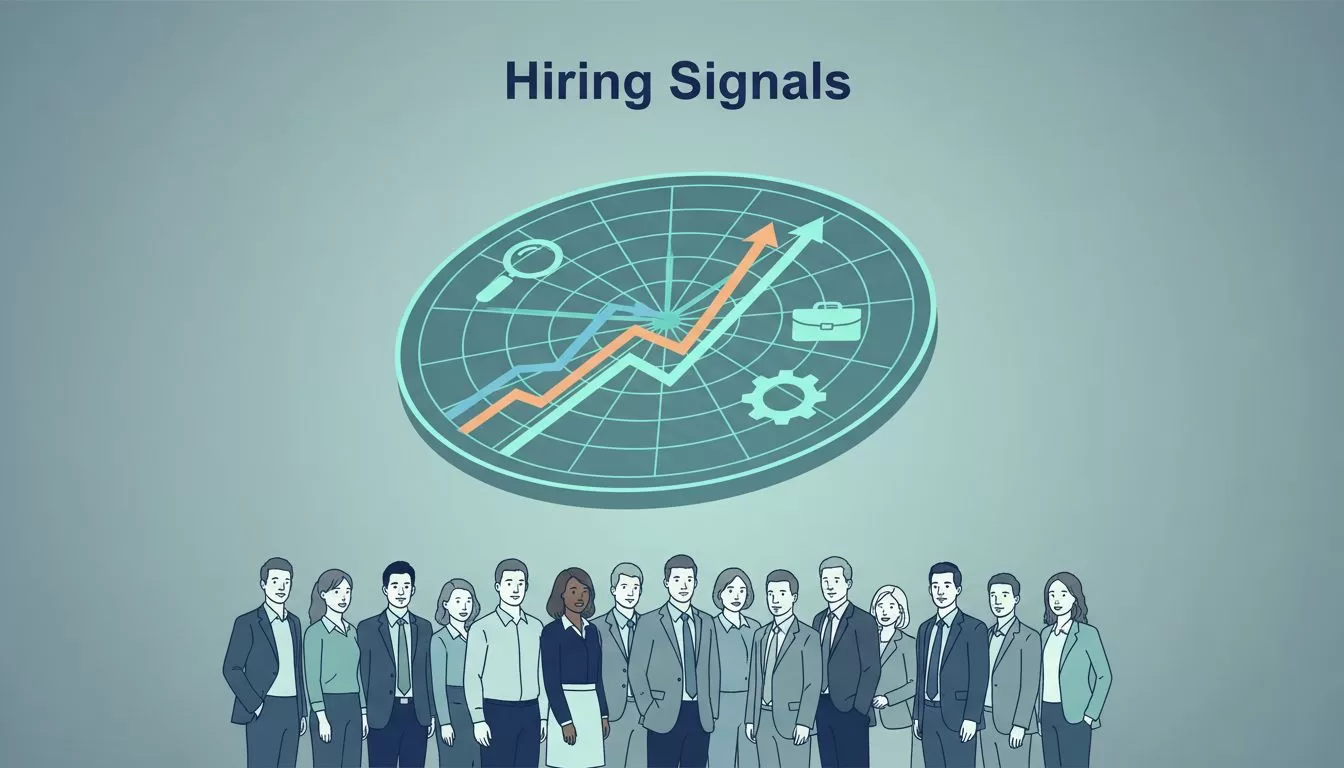
A company usually starts hiring before the outside world notices. The clue is often hidden in search growth, product chatter, and a few quiet job posts.
That’s why I use Exploding Topics. It tracks rising searches and topic momentum early, which gives me a place to look before a careers page fills up. In April 2026, I’m not chasing every spike. I want the patterns that point to real pressure, real spend, and real hiring.
I also like that it shows movement before the story feels obvious. That gives me time to test a trend while it’s still forming. If you want to read the market before it turns obvious, this is the method I use.
Why I Start With Exploding Topics
Exploding Topics works like a radar screen. I open it to spot subjects that are climbing before they feel normal. I don’t start with company names, because names can hide the bigger wave.
Instead, I start with categories. A topic like AI agents for support or workflow automation tells me more than a single startup ever could. It points to a buyer, a task, and usually a budget line. It also helps me see whether the demand sits in one company or across a whole category.
I also like to compare those signals with broader market pages like fast-growing industries in 2026. When the same theme shows up in both places, I pay attention. Team growth often follows market pressure, especially when buyers start asking for help at scale.
For a wider context check, I also read Exploding Topics’ 2026 trend outlook. It helps me separate a fresh idea from a topic that’s already running hot.
[Image 1]
Trend Shapes That Usually Come Before Hiring
One rising chart doesn’t mean much. I look for a pattern, like smoke moving toward the same roof.
One chart can point me in the right direction. A cluster of charts tells me where hiring pressure may be building.
The strongest clues are cluster growth, commercial intent, and category spillover. If AI agents, workflow automation, and data governance all rise together, I start thinking about implementation roles, support teams, and sales hires. The topic is no longer just interesting. It starts to look operational.
Language matters too. When search terms move from “what is” to “pricing,” “integration,” “platform,” or “enterprise,” I know buyers are closer to money. That shift often comes before the job posts. It also hints that teams need more people to handle demos, onboarding, and support.
I also watch product launches and funding news. A company that ships new features, closes a round, and posts open roles in the same quarter is usually preparing for expansion. It may not be a hiring boom yet, but the floor is getting busy.
Sometimes the signal is indirect. A rise in AI compliance tooling can point to hiring in legal, security, and operations before those teams post loudly. In other cases, category growth around data tools tells me sales teams may need more implementation help.
For a cleaner job-side view, I compare my notes with competitor hiring spike patterns. Job data alone is noisy, but it gets sharper when I already know what trend I’m looking for.
[Image 2]
My Validation Checklist Before I Trust the Signal
Here’s the simple filter I use before I call a trend a hiring signal.
- I check company growth. If the topic connects to startups or brands that are adding users, revenue, or headcount, I pay more attention. If growth is flat, I stay cautious, because interest without expansion often fades.
- I look for funding or budget fuel. Fresh rounds, new investor activity, or signs of expansion often mean teams will need more hands. Without money, a trend can stay theoretical, even when the chart looks good.
- I scan open roles and job titles. I want to see roles that map to the trend, like solutions engineers, implementation managers, demand gen, security analysts, or customer success. Those titles tell me where the work is landing.
- I watch product launches and category expansion. A company that moves from one tool to a full suite usually hires for sales, support, and operations. That usually happens before the public story catches up.
- I compare the signal against the real market. In early 2026, hiring is selective, but still alive in the right sectors. I don’t confuse general optimism with real demand.
If I need examples, I cross-check with emerging tech startups with Exploding Topics. Startups often hire right as a trend starts to look real, so that page gives me a useful second look.
If at least three of those checks line up, I keep digging. If only one does, I leave it alone. That simple filter saves me from a lot of noisy charts.
How I Use the Signal by Role
Marketers can build content around the pain behind the topic, not the trend name. That gives them a head start before search results get crowded. It also helps them write for buyers, not just browsers.
Job seekers can aim at companies in the middle of the wave. I watch for role clusters that match the trend, then I tailor resumes toward those tasks. That way, I’m not applying cold into a market I don’t understand.
Recruiters can pair trend clues with resume parsing software benefits so they can handle a rush faster. When demand moves, speed matters, and admin work can slow everything down.
Founders can use the signal to choose what to build next. If a market is still forming, I care more about focus than polish. A narrow offer often wins before a broad one does.
Investors can use it as an early filter. A trend plus hiring plus funding tells a better story than hype alone. I want proof that people are paying and teams are staffing for it.
What I Remember When the Noise Gets Loud
Exploding Topics gives me the first ripple, not the final answer. I still need proof from company growth, funding, job posts, product launches, and category expansion. That’s what turns a guess into a usable signal.
I don’t need perfect certainty. I need a pattern that shows up in more than one place.
That’s how I spot hiring signals before they turn obvious.

