How Transistor.fm Simplifies Podcast Team Management
I remember the chaos of my first podcast team. Emails flew back and forth. Files got lost in shared drives. Deadlines slipped because no one knew who owned what. You know that frustration when a simple episode upload turns into a blame game...

I remember the chaos of my first podcast team. Emails flew back and forth. Files got lost in shared drives. Deadlines slipped because no one knew who owned what. You know that frustration when a simple episode upload turns into a blame game?
Transistor.fm changed everything for me. It puts podcast team management right at your fingertips. Teams stay aligned without constant check-ins. Producers upload audio. Marketers check stats. Everyone moves fast.
Let’s walk through how I set it up for smoother collaboration.
Team Roles That Match Real Workflows
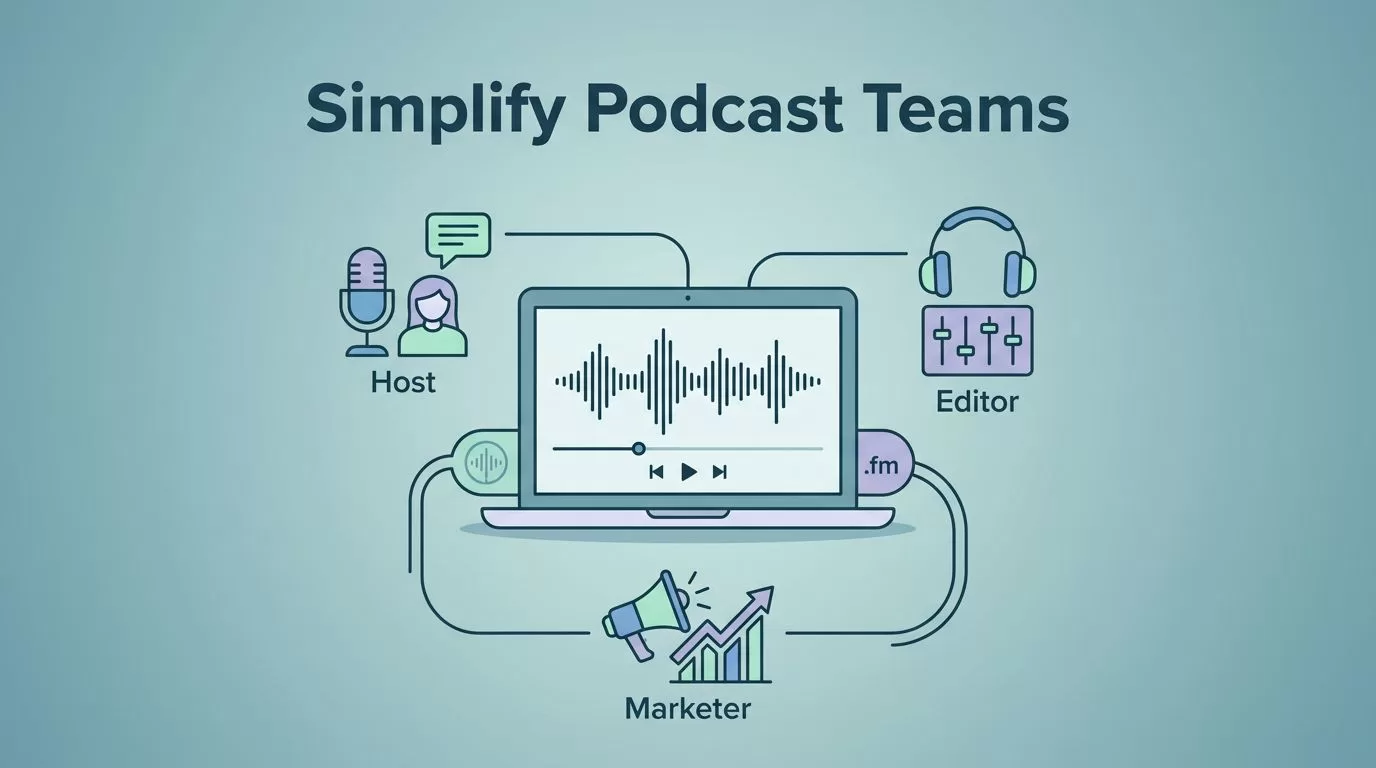
I host three podcasts now. Each has its own crew: a host, editor, and marketer. Transistor lets me add unlimited team members to every show. No caps, even on the basic plan. I invite them per podcast, so they only see what’s relevant.
Admins handle full control. They tweak settings, delete episodes if needed, and manage the team. Members upload files and view analytics but can’t wipe anything out. This setup cuts confusion. For details on inviting collaborators, check Transistor’s guide to adding team members.
Last January, they rolled out show note templates. My editor fills headings and links in seconds. No more copying from past episodes. It speeds our weekly releases.
Roles scale as teams grow. I added an analytics-only viewer for our marketer. She tracks downloads without touching audio. Everyone focuses on their strengths.
Collaboration Features That Keep Everyone Aligned
Picture your team huddled over a dashboard. That’s my Tuesday routine. We spot episode gaps together. One person points to stats. Another queues the next upload.


Transistor’s dashboard shows episodes, uploads, and basic graphs in one spot. I assign tasks right there. The producer drags in MP3s. Host edits notes. Changes save instantly for all to see.
We cut bottlenecks with per-podcast access. My marketing lead joins one show. She skips the others. No overwhelm. For setup steps, Transistor support explains user invites.
People profiles add polish. I credit hosts, guests, and editors on the site. Each gets a bio and photo. Listeners click through to episodes. It builds accountability. Teams feel ownership.
This flow replaced our Slack threads. Now, updates happen in-app. We publish on time, every time.
Publishing Workflows That Boost Consistency
Deadlines used to haunt us. Audio ready, but notes lagged. Transistor fixes that with simple uploads and schedules.
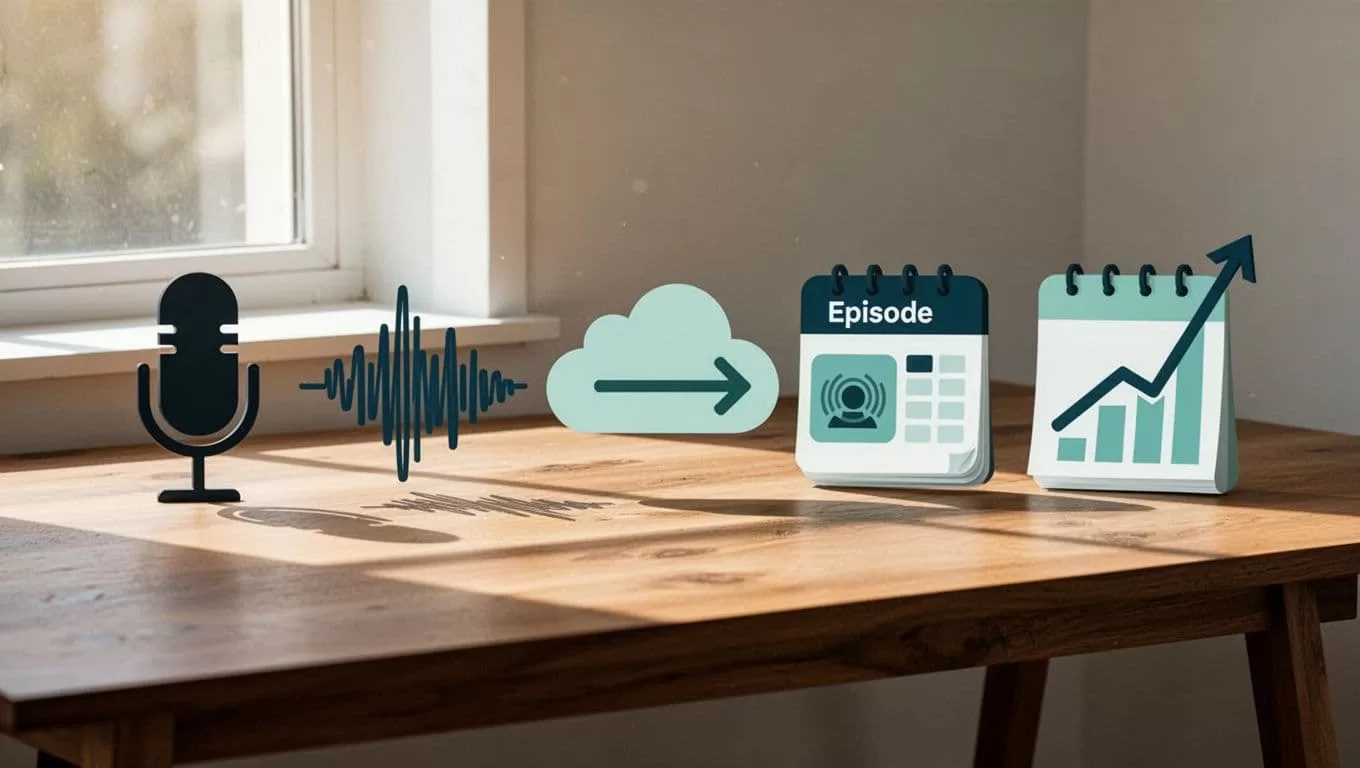
Start with recording. Editor exports MP3. Uploads hit the dashboard fast. I schedule releases weeks ahead. Team reviews before it goes live.
Show note templates save hours. Pre-fill timestamps, links, guests. Host approves. Done. We hit weekly drops without stress.
For multiple shows, one account hosts them all. Each gets its RSS feed and site. My team jumps between podcasts seamlessly. See Transistor’s multi-show hosting.
I pair this with clip tools sometimes. Like in my Transistor.fm Opus Clip workflow, where we turn episodes into shorts. Team uploads once. Clips flow from there.
Consistency builds audiences. Listeners expect episodes. We deliver.
Analytics for Team Accountability
Numbers tell the story. Who listens? What drops off? Transistor shares stats per team member.

Dashboards show downloads, top countries, trends. My marketer spots winners. “Episode 12 spiked in the UK.” We chase that next.
Team views tie to roles. Members see basics. Admins dive deeper. It sparks talks. “Why did Q1 dip?” We adjust.
Unlimited members mean everyone checks in. No more “I didn’t know.” Their changelog notes unlimited teams. Perfect for growth.
In March, private podcasts synced with Ghost CMS. Our paid show lists subscribers automatically. Team manages access without spreadsheets.
Data drives decisions. Accountability follows.
Scaling Without Losing Control
Growth hit us fast. From solo to five people across shows. Transistor scaled with us.
Host unlimited podcasts. Add crew per one. Use people credits for bios. Recent updates like Spotify privates expand reach.
We avoid chaos by keeping access tight. New hires join one show first. They prove fit, then expand.
Costs stay low. Starter at $19 handles 20,000 downloads. We bumped to Pro for extras.
Bottlenecks vanish. Communication sharpens. Podcasts grow.
Conclusion
Transistor.fm turns podcast team management into a strength. I went from scattered emails to aligned uploads and shared stats.
Your team gains speed and focus. Start small: invite one collaborator. Watch consistency build.
Strong teams make better shows. That’s the win.

