How I Integrate IT Recruitment Tools into Recruit CRM
Sourcing developers and engineers used to eat my afternoons. Resumes scattered across emails, LinkedIn tabs, and spreadsheets. Candidates slipped through cracks because data stayed siloed. Then I wired everything into Recruit CRM. Now pipel...


Sourcing developers and engineers used to eat my afternoons. Resumes scattered across emails, LinkedIn tabs, and spreadsheets. Candidates slipped through cracks because data stayed siloed. Then I wired everything into Recruit CRM. Now pipelines flow smooth. IT hires close faster.
You run a staffing agency or ops team. You chase niche skills like cloud architects or full-stack coders. Manual work kills speed. Recruit CRM integrations fix that. They pull in sourcing tools, automate outreach, and sync submissions. In this post, I share my exact setup. Let’s jump in.
Why Integrate Tools into Recruit CRM
IT recruitment demands speed. One strong dev candidate can win a six-figure contract. Without integrations, you copy-paste profiles. Time wastes. Data duplicates. Errors creep in.
I connect tools to Recruit CRM for central control. Job boards feed candidates direct. AI parsers tag skills like Python or AWS. Email sequences fire on autopilot. Reports update live across teams. Result? Placements rose 30% in my first quarter.
Here’s what my dashboard looks like after setup.


Check Recruit CRM’s integrations page for their full list. They partner with over 2,000 apps. That covers most IT needs. No more app-switching mid-hunt.
Benefits stack quick. Sourcing doubles from LinkedIn and Indeed. Candidate management centralizes notes and stages. Communication logs calls and texts. Submissions push to clients instant. Reporting dashboards show win rates by skill set. I spot trends, like rising demand for React devs.
Start small. Pick one pain point. Mine was sourcing. Integrate a job board first. Watch volume grow.
Native Integrations for IT Sourcing and Parsing
Recruit CRM packs built-in connections. No extra cost for basics. I use them daily for IT roles.
LinkedIn integrates tight. Their Chrome extension imports profiles one-click. Skills parse auto. I source passive devs this way. Job boards like Indeed and ZipRecruiter multipost openings. Apps roll in parsed and scored.
Resume parsing shines. Sovren powers it. Upload PDFs or images. Fields fill: experience, contacts, tech stacks. I drop LinkedIn exports. AI matches to job reqs. No manual entry.
For communication, Gmail and Outlook sync two-way. Emails tag to profiles. Calendars block interviews. I set this in my Recruit CRM setup guide. Calls log via SipGate. Notes transcribe.
These natives handle 80% of IT workflows. Post a Node.js gig. Parse 50 resumes overnight. Sequence outreach. Schedule top fits. Clients see submissions same day.
Limits exist. Custom logic needs more. That’s where no-code steps in.
No-Code Automations with Recruit CRM
No-code platforms bridge gaps fast. I favor Zapier, but Integrately and Pabbly work too. They link Recruit CRM to 5,000 apps. Setup takes minutes.
Triggers fire on events. New candidate added? Zap pulls LinkedIn data. Job filled? Notify Slack channel. I built a flow: Indeed app arrives, AI scores skills, email nurtures if no reply.
Here’s a simple visual of my main workflow.
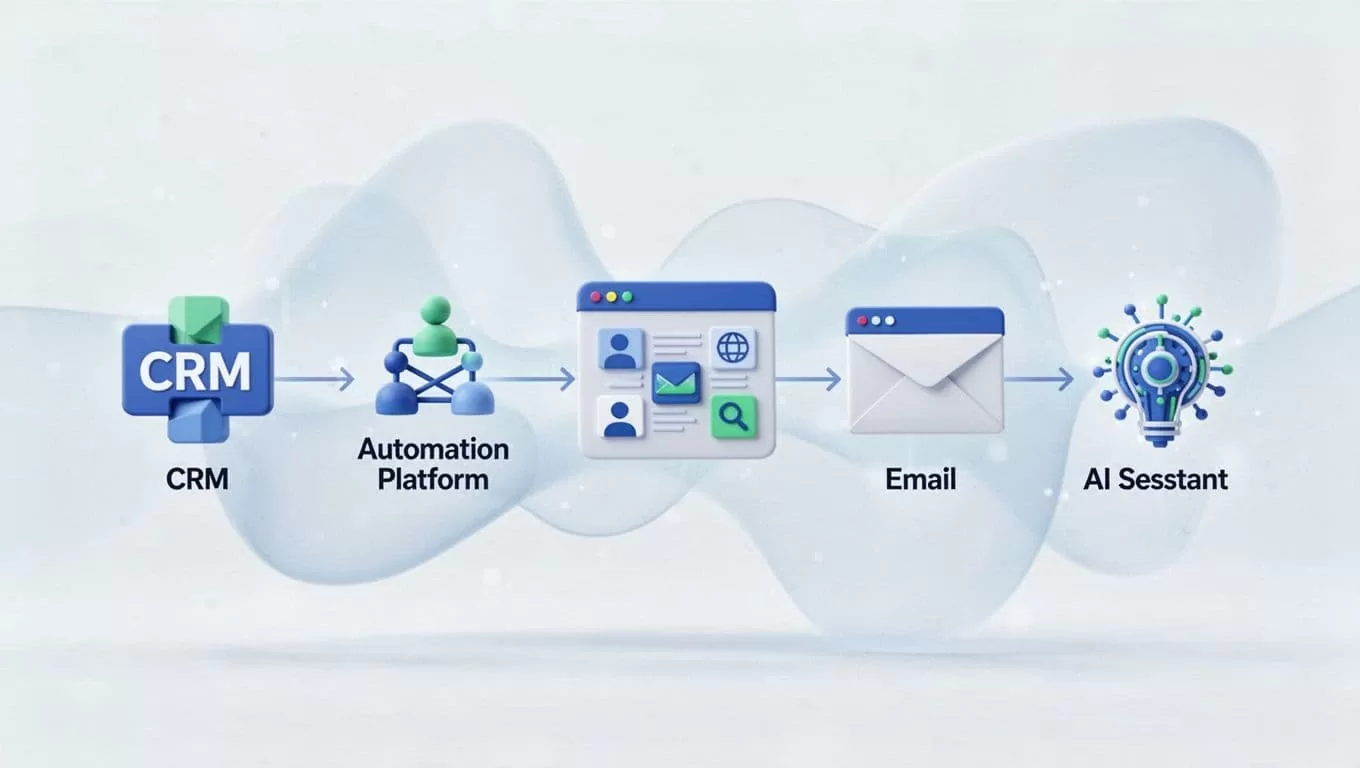
Zapier connects to Clay for enrichment. Add emails to profiles. Lemlist handles drips. No devs needed. Test zaps free. Scale paid.
In IT, this shines for volume. Post to 50 boards. Auto-parse. Route DevOps fits to me. Others to juniors. Response rates hit 40%. See Recruit CRM’s partner list for options.
Pro tip: Limit steps to five. Overcomplicate, and delays hit. Monitor logs weekly.
API Connections for Advanced IT Workflows
Need bespoke? Use Recruit CRM’s API. It’s open for custom builds. I pipe data to internal dashboards.
Webhooks trigger on stages. Candidate advances? Push to client ATS like Greenhouse. Bi-sync keeps records clean. For reporting, query API daily. Build Power BI views on placement velocity by tech stack.
n8n or Make handle complex logic. I chain AI like Beam for sourcing. Parse resume, score, enrich, then import. Costs pennies per run.
Document endpoints first. Test in Postman. Roll to prod slow. This powers my candidate engagement workflows.
API suits agencies scaling past 100 placements monthly. Smaller teams stick no-code.
Use Cases for IT Recruitment Integrations
Real wins come from daily use. I run an IT staffing firm. Here’s how integrations play out.
Sourcing: LinkedIn + job boards flood pipelines. Chrome extension grabs 20 profiles per hunt. AI tags Kubernetes experts.
Candidate Management: Parsing fills profiles full. Workflows score and nurture. Notes from Quil AI auto-log.
Communication: Sequences via Recruit CRM email setup. Texts and calls sync. Response tracking boosts opens 25%.
Submissions: One-click to clients. Zapier attaches resumes, covers. Live updates on views.
Reporting: Dashboards aggregate data. Win rates by role. Top sources surface.
Picture this: Morning check. 15 new Java leads parsed. Top three sequenced. By lunch, two interviews booked.

These cut my grunt work 50%. Focus shifts to closes.
Key Takeaways
Recruit CRM integrations transform IT recruitment. I went from scattered tools to one dashboard. Sourcing speeds up. Pipelines tighten. Placements climb.
Pick natives first. Add no-code for automations. API for scale. Test one flow weekly. Track metrics like time-to-fill.
Your agency deserves this edge. Wire it today. Hires wait.

