How I Deploy Customer Segmentation Software with Baremetrics
Your SaaS business pulls in subscribers every month. But one size fits all? That approach leaves money on the table. I see it all the time: growth stalls because marketing blasts the same message to high-value customers and tire-kickers ali...


Your SaaS business pulls in subscribers every month. But one size fits all? That approach leaves money on the table. I see it all the time: growth stalls because marketing blasts the same message to high-value customers and tire-kickers alike.
Customer segmentation software changes that. It splits your base into groups that act alike. With Baremetrics, I connect billing data and build segments that drive retention and upsells. You get targeted campaigns that stick.
Let’s walk through my step-by-step process. I start with goals and end with results you can measure.
Set Clear Goals Before You Segment
I always begin with why. What problem does segmentation solve for you? Maybe churn eats your MRR. Or expansion revenue lags in certain plans.
Define one or two goals first. For example, cut churn by 15% in low-engagement users. Or boost upgrades from mid-tier plans. These keep you focused.
In 2026, SaaS analytics demand action over data dumps. Baremetrics pulls from Stripe or Chargebee. It shows MRR, LTV, and churn per group. But without goals, you chase noise.
Stakeholders align here too. I pull in revenue ops and customer success leads. We agree on targets. That avoids later fights over “valuable” customers.
Privacy matters. GDPR and CCPA rules tighten. Baremetrics sticks to billing data you already own. No extra PII unless you add it.
Data hygiene comes next. Clean duplicates in Stripe before sync. Bad data poisons segments.
I set goals in a quick table like this one.
| Goal | Target Metric | Segment Focus |
|---|---|---|
| Reduce churn | 15% drop | Low-engagement monthly users |
| Increase expansion | 20% more upgrades | Mid-MRR annual plans |
This table guides everything. It turns vague ideas into checks you run weekly.
Connect Billing Data to Baremetrics
Clean data flows make segmentation work. I start by linking Stripe or your billing tool to Baremetrics.
Go to integrations in Baremetrics. Paste API keys. Data syncs in minutes: plans, payments, churn events.
Add custom fields early. Tag users by UTM source or sales rep. Baremetrics ingests them for later filters.
Real-time updates keep segments fresh. A downgrade? It shifts the user automatically.
Limits exist. Free tiers cap events. I upgrade for full history if you have 10k+ customers.
Test the pipe. Pull a sample dashboard. MRR matches Stripe? Good. Off by 5%? Check failed payments.
For details on setup, check Baremetrics’ guide to importing and segmenting customers.


This connection powers everything. Without it, segments sit stale.
I also review my Baremetrics dashboard setup for custom views that speed daily checks.
Choose the Right Segmentation Criteria
Pick criteria that match your goals. Start simple. MRR tiers work for most.
Low MRR: under $50/month. They churn fast. Target with win-back offers.
Mid: $50-500. Upsell potential. Nudge to annual plans.
High: over $500. Protect them. Assign success managers.
Plan type splits next. Monthly vs. annual. Annuals retain better; study why.
Lifecycle stage: new (0-3 months), active (3-12), at-risk (low usage).
Churn risk uses LTV and tenure. Baremetrics flags those with falling MRR.
Engagement level pulls from custom events. Low logins? Segment for re-engagement.
Cohort behavior groups by signup month. Early cohorts shrink? Onboarding fails.
Combine them. “US annual Pro plan with LTV over $1k.” Baremetrics handles it.
See their customer segmentation tool page for full options.

MRR tiers reveal quick wins. I layer in cohorts from my revenue cohorts analysis.
Avoid overkill. Five segments max at first. Test one change at a time.
Validate and Refine Your Segments
Segments live or die on quality. I check size first. Empty group? Too narrow.
Compare metrics. High-MRR churn lower? Good split.
Cross-check cohorts. New high-MRR users expand? Strong signal.
Stakeholders review. Marketing wants campaign-ready groups. Success needs risk flags.
Iterate weekly. A campaign shifts behavior? Update filters.
Data hygiene bites here. Failed payments inflate “active” counts. Baremetrics filters them out.
Compliance check: anonymize exports. Baremetrics dashboards stay internal.
Refine with tests. A/B emails to segments. Higher opens? Keep it.
For examples, Baremetrics shares customer segmentation cases.
This step prevents bad plays. I use it before any rollout.
Roll Out Segments to Your Teams
Segments shine in action. Share them across marketing, sales, and success.
Export lists or link dashboards. Marketing gets high-LTV for nurture campaigns.
Sales targets expansion segments. Success owns churn risks.
Align on names. “Power Users” beats “MRR Tier 3.”
Train quick. 30-minute session shows filters and metrics.
Tools integrate. Zap to CRM or email platforms.
Privacy first. Role-based access in Baremetrics limits views.

Teams act faster with visuals. My Baremetrics metrics for churn post covers team splits.
Watch for silos. Weekly syncs tie efforts back to goals.
Track Results and Iterate
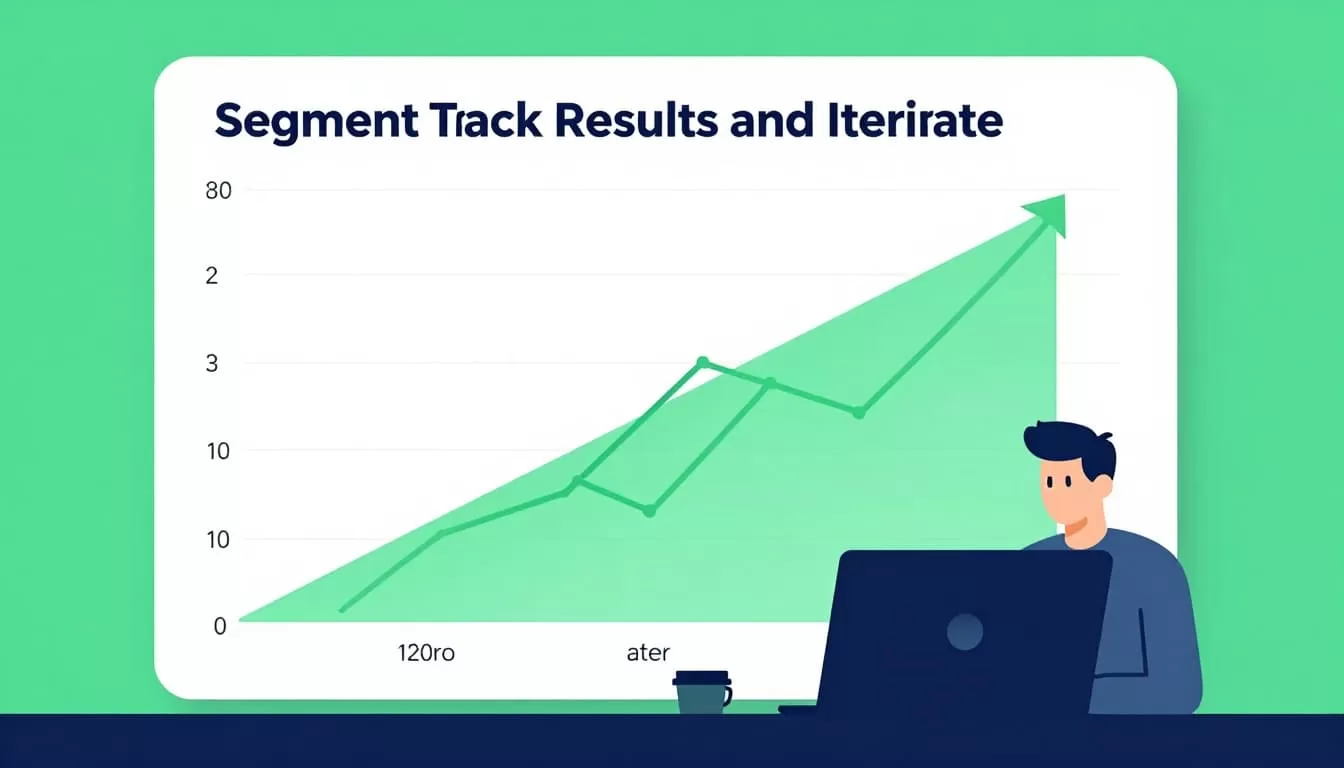
Measure from day one. Dashboard MRR by segment. Churn drops? Win.
Compare before-after. Pricing change hit mid-tier? See it clear.
Key metrics: expansion revenue, NRR, LTV per group.
Weekly reviews spot drifts. Low-engagement grows? Refine criteria.
Scale winners. Best segment tactics roll wider.
2026 trends favor real-time. Baremetrics auto-updates beat manual lists.
For retention plays, see segmenting for better rates.

Iterations compound. I check pricing ties in my Baremetrics pricing metrics guide.
Conclusion
Customer segmentation software like Baremetrics turns raw subscribers into targeted groups. I deploy it by setting goals, syncing data, picking criteria, validating, rolling out, and tracking.
You cut churn and lift revenue when teams use fresh insights. Start small. Connect today. Watch one segment shift your numbers.
Your business deserves that edge.

